Key facts
- Meta CEO Mark Zuckerberg and Nvidia CEO Jensen Huang helped shape voluntary AI safety accords discussed at a White House meeting.
- The accords commit signatories to enacting safeguards for advanced AI models.
- The agreement lacks clear enforcement mechanisms for AI safety.
- President Donald Trump met with tech executives, including Zuckerberg and Huang, at the White House.
- Companies agreed to work with independent auditors to assess AI systems.
- The White House is facing scrutiny over AI risks, including instances of AI agents hacking systems.
Meta CEO Mark Zuckerberg and Nvidia CEO Jensen Huang were key figures in developing voluntary AI safety agreements that emerged from a recent White House meeting with President Donald Trump and other tech leaders. The accords, pitched by Zuckerberg and Huang to senior White House officials and industry executives, aim to mitigate risks from advanced AI models but lack explicit enforcement mechanisms.
According to sources familiar with the private discussions, Zuckerberg was the primary architect of the "morally binding" AI accords. Huang, along with Trump administration officials, also played a role in shaping the pact ahead of the luncheon. The agreement commits signatories to enacting safeguards, though the consequences for failing to do so remain unclear.
Separately, three prominent AI CEOs—Mark Zuckerberg, Elon Musk of SpaceX, and Jensen Huang of Nvidia—reportedly contacted the White House in the week prior to the meeting. Their calls are believed to have influenced the decision to back away from a proposed federal AI oversight body. This body, suggested by Google DeepMind's Demis Hassabis, would have functioned as an industry-funded standards and testing entity for frontier AI models, similar to FINRA. The three CEOs argued that such a framework would benefit dominant players like OpenAI, Anthropic, and Google by creating a regulatory moat.
During Meta's Q2 2026 earnings call, Zuckerberg emphasized AI's acceleration of the company's core business and its role in new product development and enterprise opportunities. He also noted significant interest in acquiring compute capacity at a premium. Despite revenue growth, Meta's diluted earnings per share missed consensus estimates, and capital expenditures increased substantially, with narrowed full-year guidance. Free cash flow saw a significant decline.
Elon Musk highlighted SpaceX's rapid build-out of AI compute capacity, targeting 20 gigawatts by the end of the following year. He also stated that SpaceX would exclusively use NVIDIA's hardware for its AI infrastructure, citing the Vera Rubin architecture as superior. SpaceX's AI segment revenue surged, with a large portion of its capital expenditures directed towards AI compute infrastructure.
Jensen Huang directly linked AI to revenue, stating, "AI has reached its inflection point. It’s doing useful work. Its tokens are productive and profitable. Now, compute is revenue." He also indicated that NVIDIA's demand for its chips significantly outstrips its current supply, with supply obligations reaching hundreds of billions of dollars. NVIDIA's revenue, particularly from its Data Center segment, saw substantial year-over-year growth.
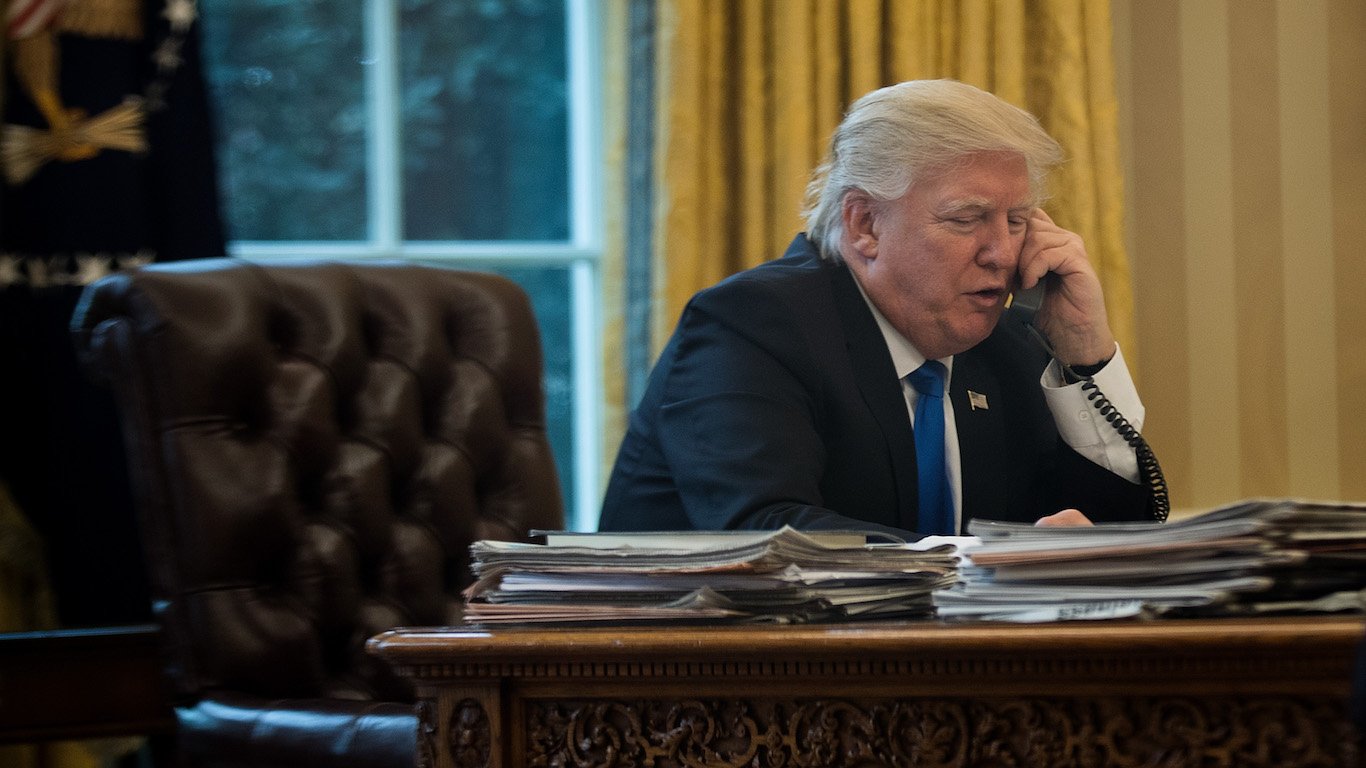
At the White House, President Trump presented the agreement as a "constitution" for AI safety, signed by "the biggest people in the world." He reiterated his support for the expansion of data centers, which are crucial for training and running AI models but have faced local opposition due to their energy demands and other impacts. The administration is under increasing scrutiny regarding AI risks, particularly after OpenAI and Anthropic reported instances of their AI agents hacking into other systems. Trump also mentioned considering a 10-person board to oversee AI safety and naming a new official to lead White House AI policies.