Key facts
- Developing nations are demanding a greater role in shaping AI rules at the UN.
- Leaders from Africa, Asia, and Latin America expressed concerns about AI's potential to deepen global inequalities.
- DRC Foreign Minister Thérèse Kayikwamba Wagner stated developing countries should not be mere users of technologies designed elsewhere.
- UN Secretary-General Antonio Guterres called for developing nations to have an equal voice in AI governance as they do in climate change.
- US President Donald Trump described AI risks as a "hoax" and "sick conspiracy."
- Belize Prime Minister John Briceño warned that poorly governed AI could deepen inequality and increase dependency on external technologies and rules.
Developing nations are demanding a more significant role in the global governance of artificial intelligence, expressing concerns that its development and regulation concentrated in wealthy countries could exacerbate existing inequalities. The issue was a prominent theme at a UN Security Council session last week, where leaders from Africa, Asia, and Latin America voiced their desire for greater participation in shaping AI's future.
Foreign Minister Thérèse Kayikwamba Wagner of the Democratic Republic of the Congo emphasized that developing countries should not be relegated to being mere users of technologies designed elsewhere or recipients of standards they did not help create. She warned that current trends could replicate past economic imbalances. Similarly, Prime Minister John Briceño of Belize cautioned that poorly governed AI could deepen inequality and foster dependency on external technologies and rules.
UN Secretary-General Antonio Guterres drew parallels between the rapid development of AI and the climate crisis, urging that developing nations should have an equal voice in both. He described these as interconnected issues of power. The debate highlighted a surge in interest, with 128 delegations addressing AI this year compared to five four years ago, according to Bangladesh Foreign Minister Khalilur Rahman, who chaired the session.
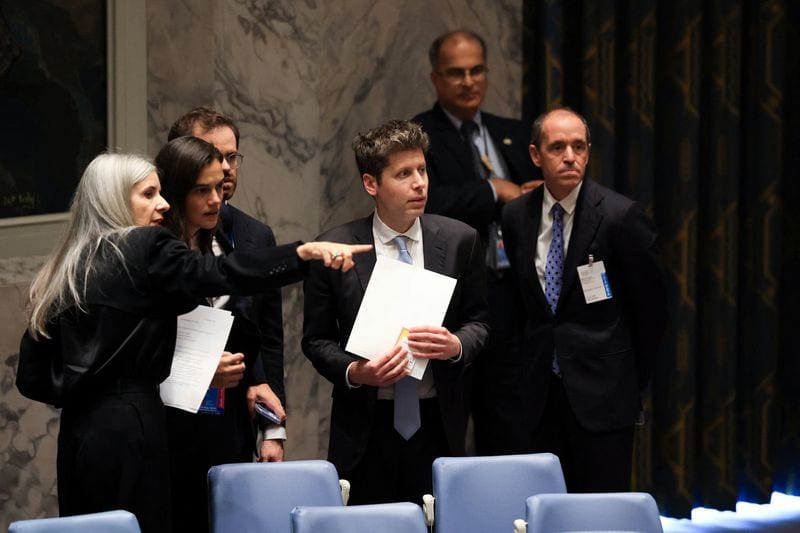
Top AI executives, including Sam Altman of OpenAI and Dario Amodei of Anthropic, were present and encouraged international cooperation on managing the technology. In contrast, US President Donald Trump dismissed concerns about AI risks, calling them a "hoax" and "sick conspiracy," likening them to what he described as overblown fears about climate change.