Key facts
- A federal judge dismissed a lawsuit against the NCAA concerning its transgender athlete policy.
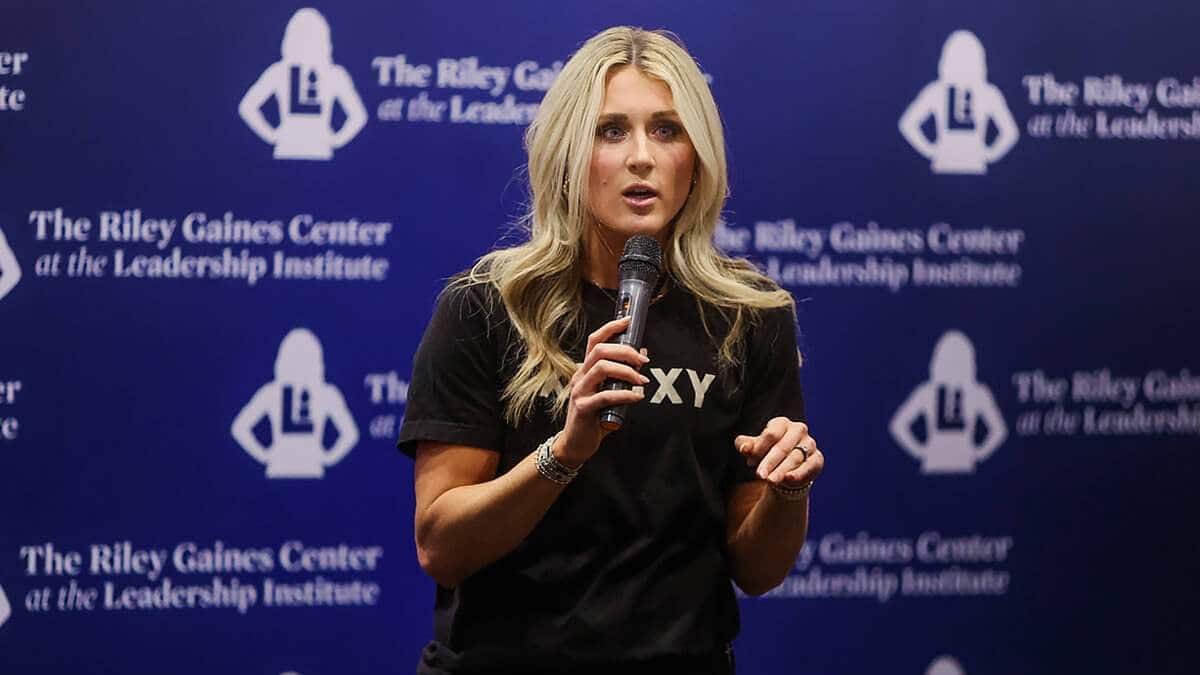
- The lawsuit was led by former college swimmer Riley Gaines and other athletes.
- Plaintiffs alleged the NCAA violated Title IX by allowing transgender women to compete in women's sports.
- U.S. District Judge Tiffany R. Johnson ruled the NCAA is not subject to Title IX as it does not receive federal financial assistance.
- The NCAA rescinded its transgender athlete policy after President Trump signed an executive order.
- The athletes plan to appeal the dismissal to the 11th Circuit Court of Appeals.
A federal judge has dismissed a lawsuit filed by former college swimmer Riley Gaines and other athletes against the National Collegiate Athletic Association (NCAA) over its transgender athlete policy. The lawsuit, filed in 2024 under Title IX, alleged that the NCAA violated federal law by permitting transgender women to compete in women's sports and use facilities aligning with their gender identity.
United States District Judge Tiffany R. Johnson ruled on Monday that the NCAA is not subject to Title IX because it does not qualify as a recipient of federal financial assistance. The judge stated there was no evidence that the NCAA received federal funds, thus preventing the Title IX claims from proceeding. This ruling does not evaluate whether the NCAA's former policy constituted sex discrimination.
The NCAA had previously rescinded its policy allowing transgender women to compete on women's teams a day after President Donald Trump signed an executive order barring transgender athletes from women's and girls' sports teams. The lawsuit centered on the 2022 NCAA Division I Women's Swimming and Diving Championships, where transgender swimmer Lia Thomas won the 500-yard freestyle.
Gaines and her co-plaintiffs, including Brooke Slusser, Kylee Alons, and Kaitlynn Wheeler, have vowed to appeal the decision to the 11th Circuit Court of Appeals within the 30-day window. The Independent Council on Women's Sports (ICONS), which funded the legal challenge, condemned the ruling and called on lawmakers to reject the Protect College Sports Act.