Key facts
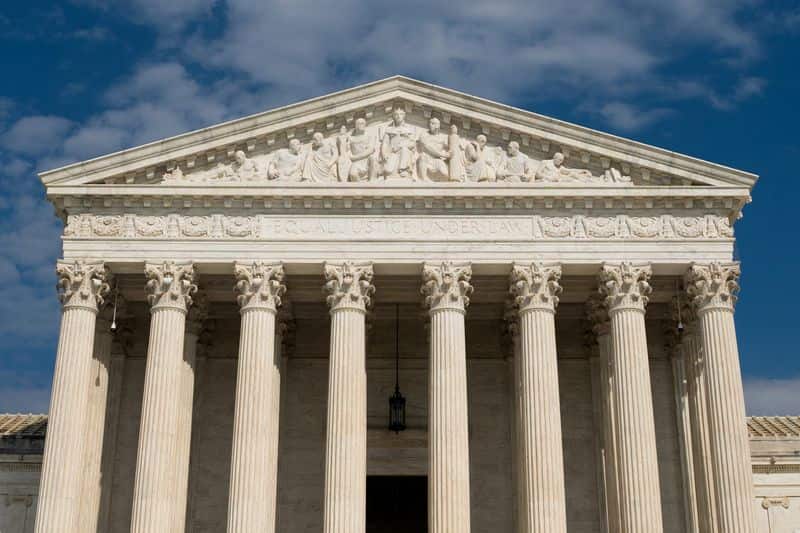
- The US Supreme Court on Tuesday allowed the Trump administration to resume deporting migrants to third countries.
- The policy allows for rapid expulsions without migrants being able to show potential harms they may face.
- Over 25,000 migrants have been deported to 29 countries under the policy, with most sent to Mexico.
- The administration has carried out deportations to countries like South Sudan, Uganda, and Equatorial Guinea.
- Immigrant rights groups filed a lawsuit arguing the policy violates immigration law and due process protections.
- UN human rights experts have urged the US to halt policies that put migrants at risk of abuse, torture, and persecution.
The US Supreme Court on Tuesday allowed the Trump administration to resume deporting migrants to countries other than their own, a key tool in its immigration enforcement efforts. The justices granted the Justice Department's request to put on hold a ruling by US District Judge Brian Murphy that had found the Department of Homeland Security's policy unlawful.
The policy allows for the swift removal of migrants to third countries, even if those countries have not provided assurances against persecution or torture. In cases where such assurances are absent, deportees are notified of their destination, and US authorities assess the likelihood of persecution only if the individual raises the concern.
Immigrant rights groups had sued, arguing the policy violates immigration law and constitutional due process protections. They contend that the administration is deporting individuals, including those with no criminal history, to third countries without regard for the persecution or torture they might face. The plaintiffs also claim that deportees have been unlawfully transferred back to their home countries, subjected to beatings, sexual assault, detention, or disappearance.
More than 25,000 migrants have been deported to 29 countries under the policy since its implementation last year, with the majority sent to Mexico. The administration has used this policy for rapid expulsions as part of its broader immigration crackdown. The Supreme Court had previously sided with the administration in related legal challenges, suspending earlier orders that had halted removals.