Key facts
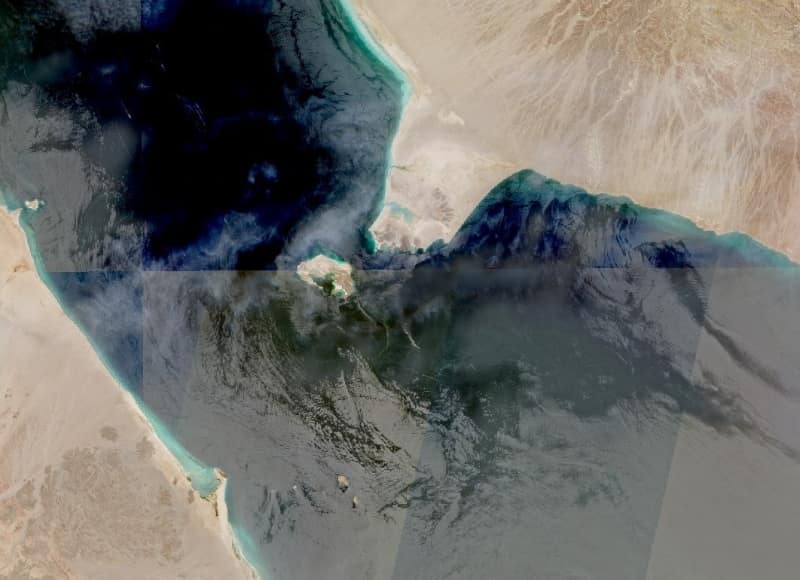
- Houthi militants, backed by Iran, are pushing to control Yemen's Red Sea coast and the Bab el-Mandeb Strait.
- The Houthi movement, formally Ansar Allah, controls Sanaa and much of northern Yemen.
- The Saudi-led coalition intervened in 2015 to prevent an Iran-aligned group from consolidating power.
- The Presidential Leadership Council, led by Rashad al-Alimi, is the internationally recognized Yemen authority based in Aden.
- The National Resistance Forces are led by Tarek Saleh, a nephew of former president Ali Abdullah Saleh.
- The Southern Transitional Council, trained by the UAE, seeks secession for southern Yemen.
The conflict in Yemen has intensified, with Houthi militants, backed by Iran, pushing to control the Yemeni Red Sea coast and the strategic Bab el-Mandeb Strait. This escalation runs parallel to increased tensions in the wider region.
Yemen has been embroiled in a civil war for 12 years, initiated when the Houthi movement, formally known as Ansar Allah, seized the capital Sanaa. This prompted a military intervention led by Saudi Arabia. Although a UN-brokered truce in 2022 largely halted large-scale fighting, the country now faces a serious threat of renewed conflict.
The Houthi movement is the dominant military force, controlling Sanaa and much of the north, territories where an estimated 60% to 65% of Yemenis reside. While the Saudi-led coalition accuses Iran of providing arms, training, and funding, the Houthis deny being an Iranian proxy and claim to develop their own weaponry. They have demonstrated their capabilities through missile and drone attacks on Saudi Arabia and the UAE, targeting infrastructure, and have also rallied behind the Palestinian cause by attacking Israel and commercial shipping in the Red Sea.
Saudi Arabia entered the conflict in March 2015, aiming to restore the internationally recognized government led by then-President Abd Rabbu Mansour Hadi and prevent an Iran-aligned group from gaining power on its border. Despite a recent thawing of relations between Riyadh and Tehran, they remain regional rivals.
The internationally recognized Yemeni authority is the eight-member Presidential Leadership Council, based in Aden and led by Rashad al-Alimi. Formed in April 2022 to replace Hadi and unify anti-Houthi forces, the council has been hampered by internal divisions. The government, reliant on Saudi airpower, has clashed with the Houthis in several areas, including Taiz, Marib, Jawaf, and Mocha. The Houthis seized Mocha on September 10, moving closer to the Bab el-Mandeb Strait.
Other key factions include the National Resistance Forces, led by Tarek Saleh, which is equipped and aims to counter both the Houthis and southern secessionists. The Southern Transitional Council (STC), trained and equipped by the United Arab Emirates, seeks secession for southern Yemen and has previously challenged Saudi influence. The Yemeni Congregation for Reform, or al-Islah, a Sunni Islamist movement with ties to the Muslim Brotherhood, is a significant faction within the recognized government but is viewed as a terrorist organization by the UAE and STC. The UAE, though it announced troop withdrawal in 2019, maintains influence through groups like the STC, driven by antipathy towards the Muslim Brotherhood and securing shipping lanes.