Key facts
- Many Russians are increasingly concerned about the war in Ukraine's impact on everyday life.
- Ukrainian drone attacks are bringing the war closer to home.
- Demand for protective film against blast effects has risen 50% in Russia this year.
- Premiums for household property coverage rose 18% in the first half of 2026.
- Over half of respondents in weekly surveys described the mood among people they know as "anxious" since late April.
- Some individuals have left Russia fearing another military mobilization drive.
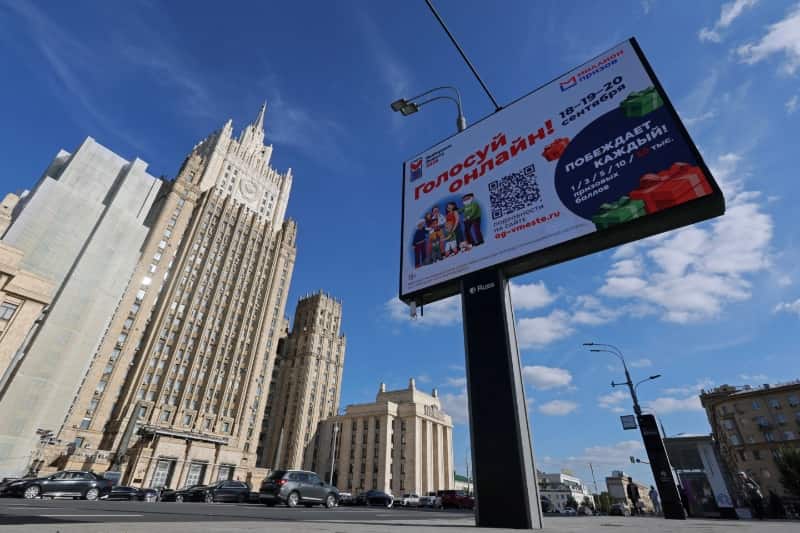
As Russia prepares for parliamentary elections on September 18-20, concerns about the war in Ukraine are deepening among the population, with Ukrainian drone attacks bringing the conflict closer to home. Residents are taking measures such as installing shatter-resistant film on windows, and demand for home insurance policies covering drone strikes has surged.
Russian firm Solartek, which produces protective film, has seen demand rise 50% this year, with manager Pavel Levit noting a shortage in the market. Both Russia and Ukraine deny deliberately targeting civilians, but apartment buildings and infrastructure are frequently damaged by intercepted drones and missiles. While official figures on emigration due to mobilization fears are unavailable, other indicators point to growing demand for war risk protection.
Oleg Khanin, head of insurance brokerage Soyuz, reported a significant increase in requests for coverage linked to Ukrainian strikes. Premiums for household property coverage rose 18% year-on-year in the first half of 2026, according to central bank data, with the All-Russian Insurance Association citing increased drone attacks as a key driver. Khanin warned that premiums could rise further, potentially making such insurance unavailable.
President Vladimir Putin has accused Kyiv of trying to scare Russians and disrupt the election with its drone campaign. However, polling by the state-run Public Opinion Foundation (FOM) suggests that a summer of drone alerts and fuel shortages has weighed on national morale, with over half of respondents describing the mood as "anxious" in recent weekly surveys. This anxiety indicator has remained at its highest sustained level since the late 2022 military mobilization, which prompted many men to leave the country. Speculation persists about another potential call-up after the election, despite official assurances of sufficient manpower.