Key facts
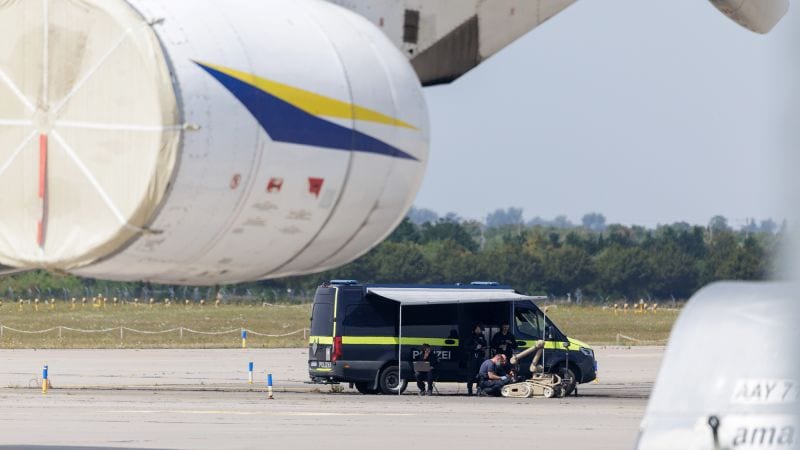
- Germany blamed Russia for an attempted drone attack at Leipzig/Halle Airport, which narrowly averted disaster.
- The EU vowed to implement tougher restrictive measures against Russia.
- Several European nations summoned Russian ambassadors in protest.
- Germany ordered the closure of its Russian Consulate in Bonn and terminated a cultural center lease.
- Ukraine formally requested PAC-3 Patriot air defense systems from EU member states.
The European Union is preparing to impose tougher measures against Russia following an attempted drone attack at Leipzig/Halle airport, which European Commission President Ursula von der Leyen described as a "new escalation on European soil" directly attributed to Moscow. The incident, which involved explosive-laden drones and narrowly averted disaster, has prompted widespread condemnation and diplomatic action from EU member states.
Von der Leyen stated that the EU would "close every loophole Russia exploits" and "cut even deeper into Russia's war chest." NATO Secretary General Mark Rutte echoed concerns, noting Russia's "increasingly reckless" behavior. In response to the attack, Germany ordered the closure of the Russian Consulate General in Bonn and terminated the lease on a Russian cultural center in Berlin. France, Belgium, Portugal, and the Netherlands summoned their respective Russian ambassadors, and the EU itself summoned Moscow's representative to Brussels.
Political analyst Alexander Astrov highlighted the challenge for Europe in responding to Russia's "hybrid actions" while adhering to international law, suggesting current diplomatic steps are an attempt to navigate this. Meanwhile, von der Leyen also confirmed that Ukraine had formally requested PAC-3 Patriot air defense systems, with member states reviewing the request. The EU is also considering further sanctions against Russia, including visa bans and asset freezes on individuals and companies involved in its defense sector, and potentially curbing the use of Schengen tourist visas for Russian nationals, a move that has seen broad support among member states.