Key facts
- The U.S. is set to approve the transfer of 10 Patriot interceptor missiles from Germany to Ukraine.
- The MIM-104E GEM-T Patriot interceptor missiles are valued at $29.6 million.
- The transfer requires U.S. congressional review under the Arms Export Control Act.
- Germany had previously offered additional PAC-2 interceptors and other air defense munitions.
- Ukraine relies on the Patriot system to defend against Russian missile attacks.
- Supplies of Patriot interceptors have been diverted to the Middle East due to the U.S.-Israeli conflict with Iran.
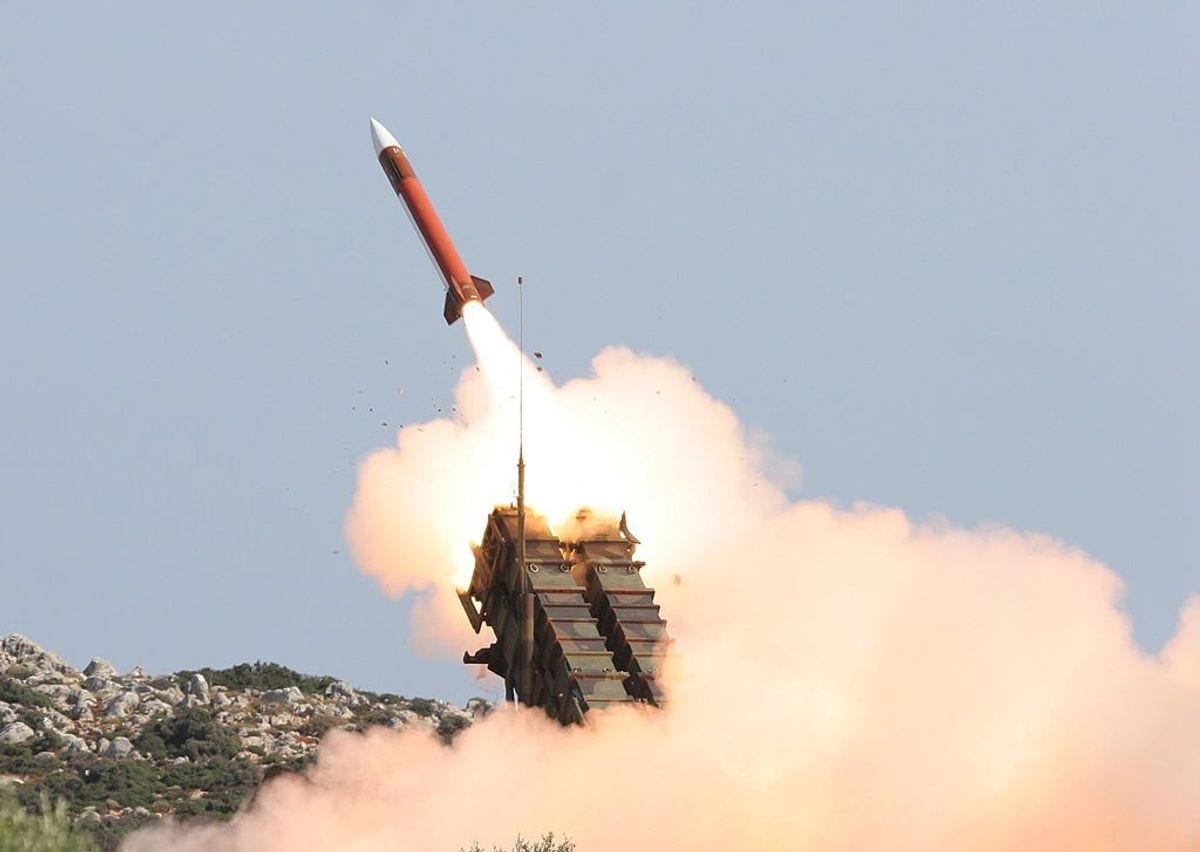
The United States is poised to approve the transfer of 10 MIM-104E GEM-T Patriot interceptor missiles from Germany to Ukraine, valued at $29.6 million, according to U.S. congressional records dated September 15. This move comes as Ukraine grapples with a significant shortage of air defense munitions, particularly those capable of intercepting Russian ballistic missiles. The U.S. Arms Export Control Act mandates that Congress review such transfers if the initial cost exceeds $14 million. The transfer will proceed automatically unless Congress passes a resolution to block it. The State Department indicated the transfer aligns with U.S. security assistance goals, considering various political, military, economic, human rights, and arms control factors. Earlier in September, German Defense Minister Boris Pistorius had stated Berlin's willingness to supply additional PAC-2 interceptors and other air defense munitions, a decision welcomed by Ukrainian President Volodymyr Zelensky as a step toward peace. The GEM-T missile is an upgraded version of the PAC-2, featuring enhanced radar sensitivity, effective against drones and cruise missiles, though the more advanced PAC-3 interceptor remains the primary defense against ballistic missiles. Ukraine's reliance on the U.S.-made Patriot system is crucial for repelling frequent Russian attacks. However, the availability of Patriot interceptors has been further strained by the diversion of supplies to the Middle East amid the U.S.-Israeli conflict with Iran, and Washington's reduced large-scale defense funding under President Donald Trump has increased Kyiv's dependence on international partners for key weapons.