Key facts
- US and Iran held indirect UN talks mediated by Qatar, the first direct discussions in months.
- US President Donald Trump threatened Iran with "annihilation" hours before the talks.
- US envoys Steve Witkoff and Jared Kushner communicated with Iran through mediators.
- Iran conveyed conditions including an end to the war and a halt to "acts of aggression."
- Traffic through the Strait of Hormuz has gradually increased in recent weeks.
- Oil prices held near two-week lows following the announcement of the talks.
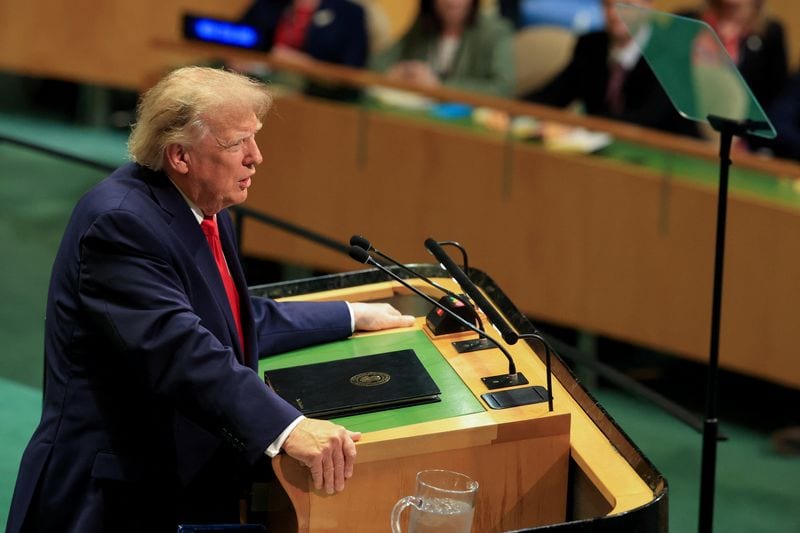
The United States and Iran held shuttle talks mediated by Qatar on the sidelines of the UN General Assembly in New York, marking the first direct contact between the two adversaries in months. US President Donald Trump had earlier threatened to "annihilate" Iran during a speech at the assembly, but later described the discussions as "very productive" and noted "a lot of momentum for them to make a deal."
Iran's Foreign Ministry spokesperson Esmail Baghaei stated that Tehran conveyed conditions through the Qatari mediator, including an end to the war on all fronts and a halt to US "acts of aggression." While some Iranian state media initially reported a direct meeting between US envoy Steve Witkoff and Foreign Minister Abbas Araqchi, Iranian officials clarified that the communication was indirect, with mediators shuttling between the parties.
The war, launched in February, has lasted nearly seven months, causing thousands of deaths and disrupting global energy supplies. Traffic through the Strait of Hormuz, a critical chokepoint for oil and liquefied natural gas, has gradually increased in recent weeks, with exports from the UAE recovering to pre-war levels. However, about a third of Gulf oil is estimated to be missing from global supplies, impacting refined products and contributing to inflation. The risk of further disruption has increased due to Houthi advances in Yemen threatening traffic through the Bab el-Mandeb Strait.