Key facts
- Iranian President Masoud Pezeshkian stated that diplomacy must continue despite significant differences between Iran and the United States.
- US Secretary of State Marco Rubio indicated that a deal would require hard work and that military options remained available.
- Active hostilities between Washington and Tehran resumed earlier this month, with oil tankers in and around the Strait of Hormuz coming under fire.
- The Strait of Hormuz effectively remains in a military stalemate, impacting transit.
- Oil prices last week soared to over $100 a barrel for the first time since July.
- Yemen’s Iran-backed Houthi rebels captured Perim Island in the Bab el-Mandeb Strait.
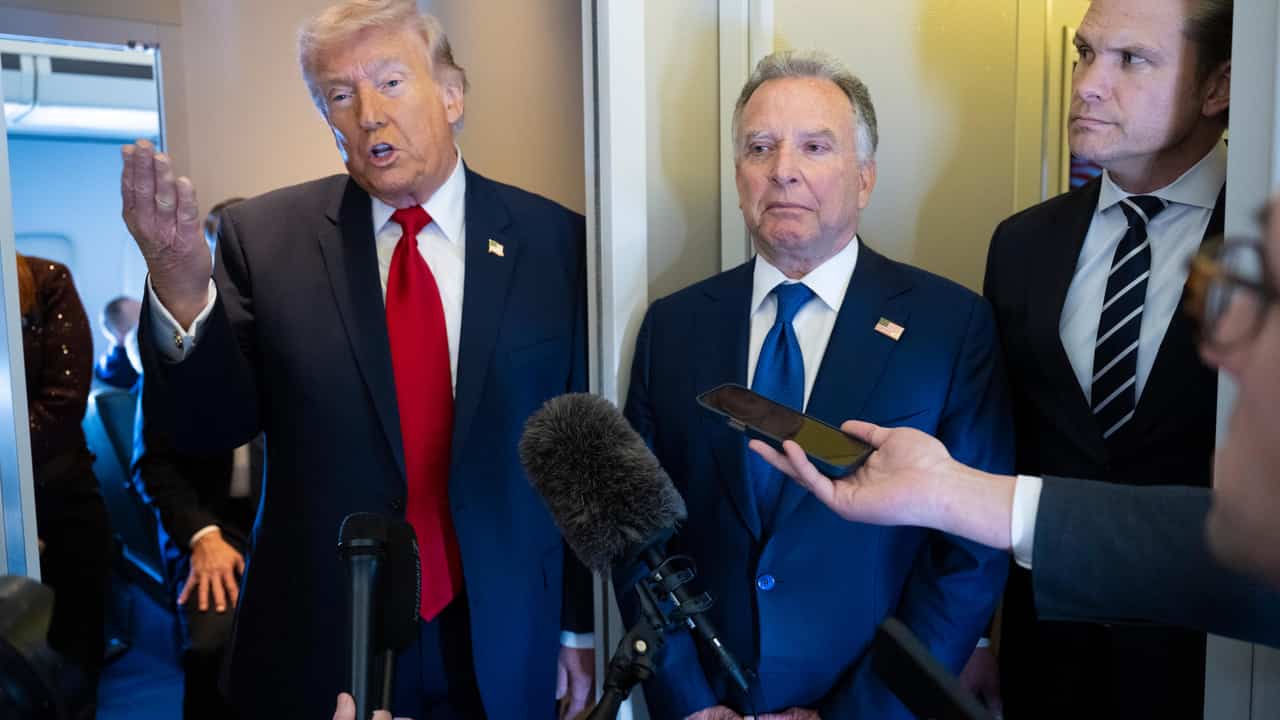
- US President Donald Trump suggested the conflict with Tehran might be nearing its end.
Iranian President Masoud Pezeshkian stated that diplomacy must continue despite significant differences between Iran and the United States, while US Secretary of State Marco Rubio indicated that a deal would require hard work and that military options remained available. Active hostilities between Washington and Tehran resumed earlier this month, with oil tankers in and around the Strait of Hormuz coming under fire. Iran is vying to maintain a chokehold over the vital trade route amid the U.S. blockade against its ports. The Strait effectively remains in a military stalemate, bringing renewed regional instability and gravely impacting transit via the waterway, through which around a fifth of global oil production flowed before the war began on Feb. 28. Oil prices last week soared to over $100 a barrel for the first time since July, as the disruption sends energy markets spiraling once more.
The balance of power in the Gulf has come under further strain as Yemen’s Iran-backed Houthi rebels have made significant advances following weeks of fighting with the Saudi-backed government of Yemen, shattering a four-year informal cease-fire in the country's civil war. The Houthis last week captured the strategic Perim Island, which sits in the Bab el-Mandeb Strait, another vital trade route situated between Yemen and Djibouti and Eritrea in the Horn of Africa, that links Asia and Europe via the Red Sea and Suez Canal. This came as they traveled along the Red Sea coastline, aiming to tighten their grip on the critical maritime chokepoint. The disruption has placed further pressure on the global oil market.
The Houthis’ expanding presence in the Red Sea and the potential it has to severely disrupt trade via the Bab el-Mandeb arguably gives Iran leverage in its war with the U.S., experts say. Daniel Benaim, a former U.S. Deputy Assistant Secretary of State for the Arabian Peninsula, told TIME that this "has the effect of turning up the pressure on the U.S. and its allies who have been relying on alternate routes." Diplomatic efforts in the Middle East have faltered, with Gulf states postponing a critical meeting with Tehran on the reopening of the Strait of Hormuz. Despite pressure mounting for a clear way out of the war, meaningful negotiations between the U.S. and Iran also remain stalled. US President Donald Trump suggested Wednesday the conflict with Tehran might be nearing its end, but offered no firm timeline, stating, "Hopefully we're toward the end of the war. They want to make a deal. We'll see how that works out."