Key facts
- U.S. President Donald Trump warned of potentially "annihilating" Iran if a peace deal is not reached.
- Trump stated he believes a deal will be made with Iran right after the November 3 U.S. midterm elections.
- Trump called for international economic isolation of Iran to force negotiations.
- The U.S. president cited Iran's nuclear program, support for proxy groups, and regime change as reasons for past strikes.
- Iran denies pursuing nuclear weapons.
- Trump criticized the UN for encroaching on U.S. sovereignty and advancing a left-wing agenda.
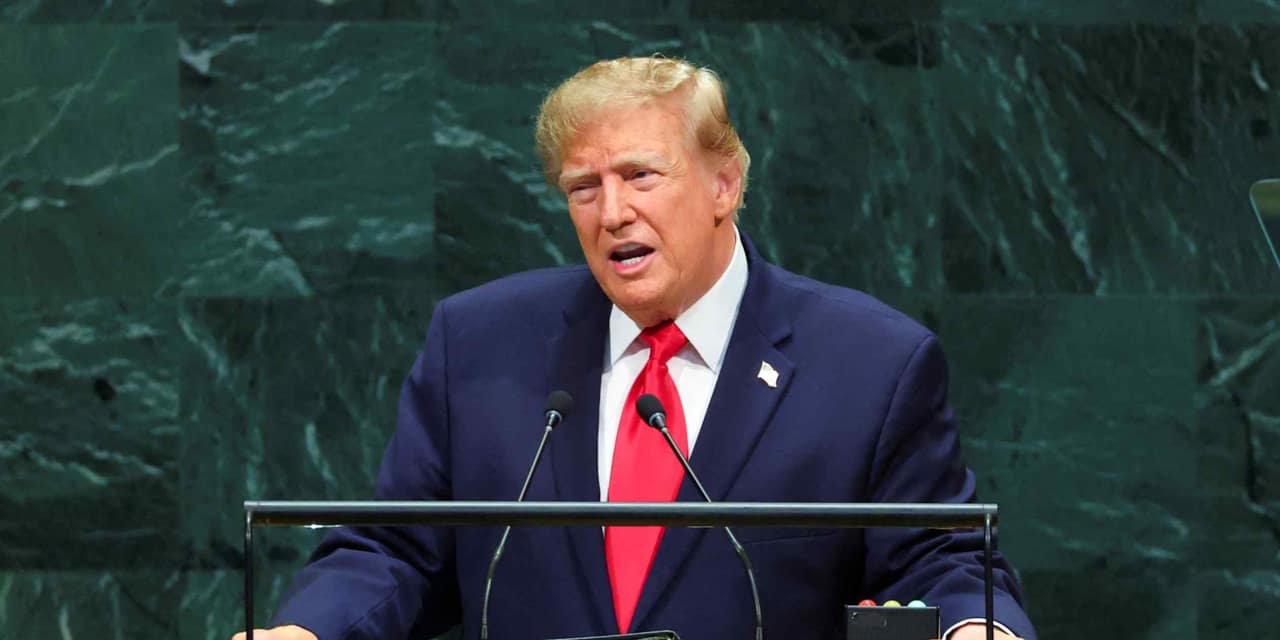
U.S. President Donald Trump used his address at the 81st United Nations General Assembly on Tuesday, September 22, to issue a stark warning regarding the conflict with Iran. Trump stated that he could "annihilate the Islamic Republic" if a peace deal to end the war is not reached, while also predicting that his administration would secure such an agreement shortly after the U.S. midterm elections on November 3.
Speaking at UN headquarters, Trump urged international cooperation in economically isolating Iran to compel it toward negotiations. He presented a stark choice: either a deal that allows Iran to rebuild and become a "far greater country," or his own intervention to "annihilate" the nation, preventing further harm. Trump has previously justified military actions against Iran by citing its nuclear program, its backing of regional proxy groups, and the potential for regime change, though Iran has consistently denied pursuing nuclear weapons.
Outside the UN, demonstrators called for freedom and democracy in Iran. Trump also used the platform to criticize the UN, expressing concerns that international bodies might undermine U.S. sovereignty or promote a left-wing agenda, a sentiment he echoed from a previous combative speech.
The speech initiated a day of high-level diplomatic meetings for Trump, who was slated to meet with more than a dozen world leaders. These included bilateral and group sessions with figures such as British Prime Minister Andy Burnham, Ukrainian President Volodymyr Zelenskiy, and Venezuelan interim leader Delcy Rodriguez. Trump had met with French President Emmanuel Macron the previous day.
The extensive meeting schedule highlights Trump's focus on foreign policy during his second term, which has seen the initiation of multiple conflicts and a questioning of traditional alliances. The war with Iran has had significant global repercussions, including rising fuel prices and a decline in Trump's approval ratings, which a recent Reuters/Ipsos poll placed at an all-time low of 32%.