Key facts
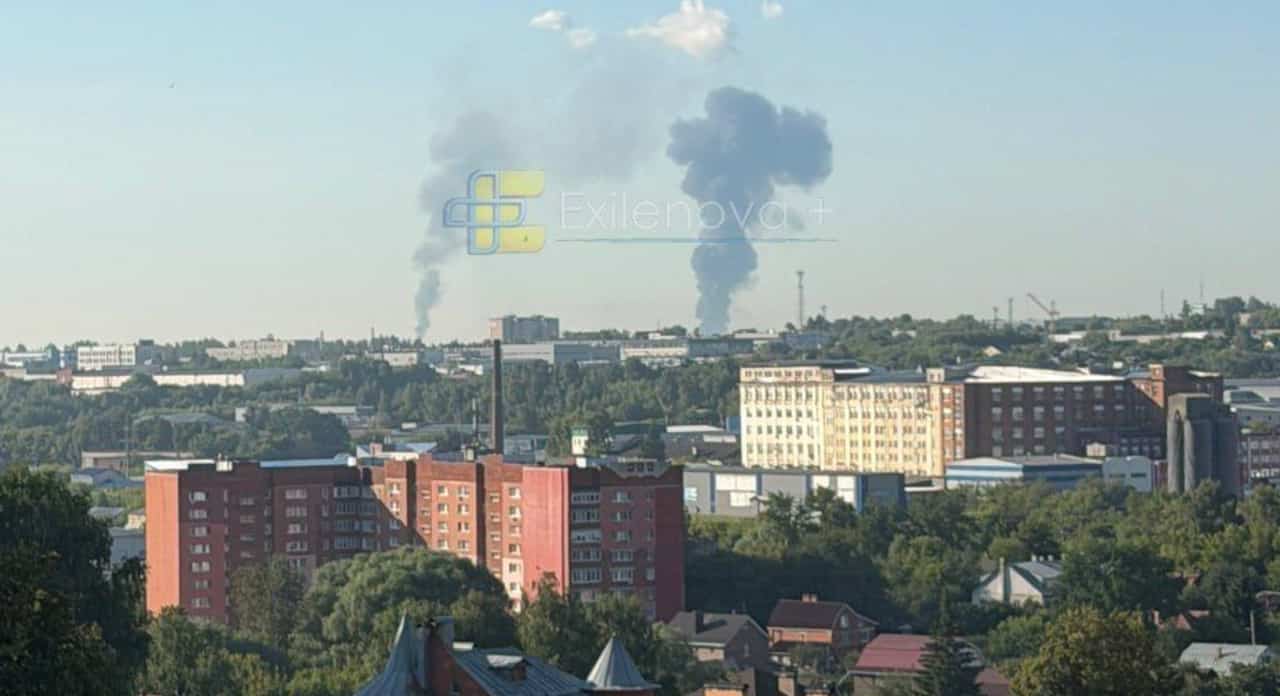
- Two Russian oil refineries, Lukoil's NORSI and Novatek-Ust-Luga, have suspended operations due to Ukrainian drone strikes.
- Russia has struck a deal with Kazakhstan's Kondensat refinery to process its crude oil.
- The Kondensat refinery will process Russian crude, with approximately 70 percent returned to Russia.
- Experts suggest this arrangement is unlikely to resolve Russia's acute fuel shortages.
- Russia has retaliated against Ukraine's energy infrastructure with its own strikes.
Ukraine's ongoing drone strikes have forced two major Russian oil refineries, Lukoil's NORSI and Novatek's Ust-Luga complex, to suspend operations due to damage to critical equipment. These attacks are part of a broader strategy to disrupt Russia's ability to finance its war effort, leading to domestic fuel shortages and export restrictions. In response, Russia has entered into an agreement with the Kondensat refinery in Kazakhstan to process its crude oil, with a significant portion to be returned to Russia. However, experts like John Roberts of the Atlantic Council express skepticism that this arrangement will adequately address Russia's acute fuel deficit, noting the Kondensat refinery's limited capacity relative to Russia's daily demand. The Kondensat refinery has historical ties to Russia's Tatneft oil company. Analysts suggest Russia may seek similar processing arrangements in other Central Asian nations, though regional governments may hesitate due to potential sanctions and impacts on international investment. Ukrainian officials also believe potential suppliers will be cautious due to the military implications and risk of sanctions.