Key facts
- China is controlling information and restricting media access following deadly floods along the China-Nepal border.
- Families of missing individuals are expressing frustration at Beijing's perceived information blackout.
- China has detained citizens for questioning the official disaster narrative.
- Official figures for Tibet report 21 deaths and 541 missing, including 261 foreigners.
- China has stated it is ready to work with other countries and agencies to identify the dead.
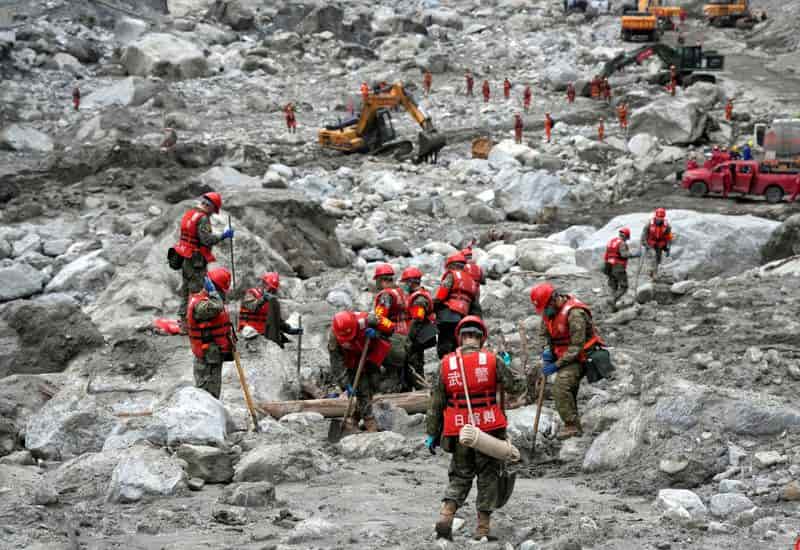
Families of foreign nationals missing in Tibet following a catastrophic mudslide are voicing frustration over a perceived information blackout from Chinese authorities. Priyanka Choudhary, a Finnish citizen, is among 261 foreign nationals still unaccounted for 10 days after the disaster, which killed over 1,300 people and left more than 5,600 missing across Tibet and Nepal. While Nepal has been sharing regular updates and allowing media access, families allege China is withholding information. China's foreign ministry has not immediately responded to requests for comment on the accusations, victim identification timelines, or DNA collection protocols. Beijing has stated it has briefed embassies from 23 countries and claims its information release is transparent and timely, offering to work with other nations on victim identification. However, diplomats who attended a briefing said Beijing shared no details on DNA identification plans and has not offered video footage from its side of the border crossing.