All NewsEducationTVBrokers
Equities & FundsCrypto & Digital AssetsAI & TechnologyBusiness & CorporateUS Politics & PolicyGeopolitics & Global RiskMacro, Rates & FXCommodities & EnergyEuropean Politics & MarketsAsia-PacificReal Estate & Property
All NewsHome
← Back to Geopolitics & Global Risk

Nepal's China trade hopes dashed by floods, increasing reliance on India

Created at 8 Sep · 4:41 AM1 source↑ Market-relevant
IN SHORT

Devastating floods in Nepal have destroyed its primary trade route with China, potentially ending efforts to diversify away from India and reinforcing the Himalayan nation's dependence on its southern neighbor. The disaster has caused significant loss of life and economic damage, impacting infrastructure and energy capacity.

Key Numbers

1,280confirmed deaths from floods
5,600people still missing
$2.56 billionpreliminary economic losses
10%reduction in Nepal's electricity generation capacity
20 kilometersupstream from border crossing where river was blocked
9 meterssurge in Trishuli River water levels
5.2magnitude seismic event
17,000children affected by floods
18schools destroyed
20schools damaged
200 billion rupeesgovernment's preliminary damage estimate
$1.3 billiongovernment's preliminary damage estimate in USD
95%fall in trade through Rasuwagadhi after 2025 flood
$302 milliontrade value through Rasuwagadhi before 2025 flood
$15 milliontrade value through Rasuwagadhi after 2025 flood
$3.30lost at Rasuwa for every dollar arriving at Kora La

Who's Involved

Nepal
landlocked country impacted by floods and geopolitical balancing act
China
northern neighbor whose trade route was destroyed by floods
India
southern neighbor whose reliance is likely to increase
K.P. Sharma Oli
former Prime Minister who signed trade agreements with China
Balen Shah
Prime Minister of Nepal
U.S. Geological Survey
logged the seismic event triggered by glacier collapse
UNICEF
reported on the impact on children and schools
Stimson Center
analyzed Nepal's customs accounts regarding trade impact
Nepal's China trade hopes dashed by floods, increasing reliance on India

↳ Why This Matters

The floods have critically damaged Nepal's primary trade route with China, jeopardizing its decade-long strategy to diversify its economy and reduce reliance on India. This setback is likely to increase Nepal's dependence on India, potentially shifting the geopolitical balance in the region.

Key facts

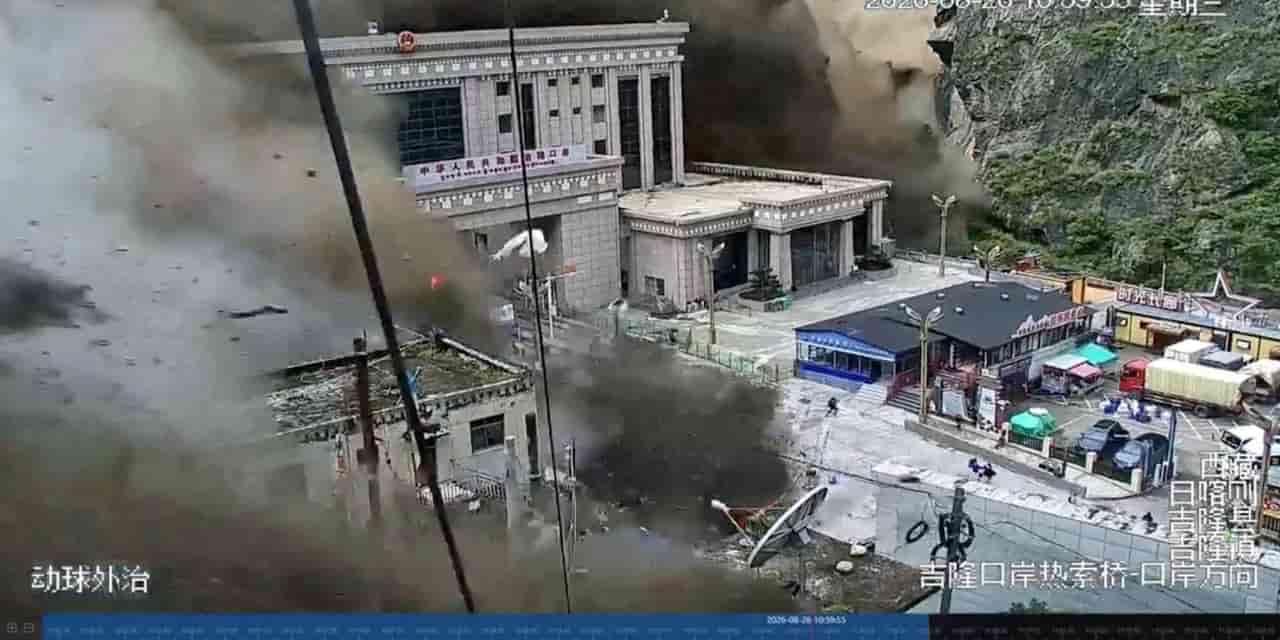
  • Devastating floods in Nepal have destroyed the Gyirong (Kerung) border crossing, Nepal's main trade route with China.
  • The disaster has resulted in at least 1,280 confirmed deaths and over 5,600 people missing.
  • Preliminary economic losses are estimated at $2.56 billion, with significant damage to customs infrastructure.
  • The floods have reduced Nepal's electricity generation capacity by approximately 10%.
  • The destruction of the China trade route is expected to increase Nepal's dependence on India for trade and supplies.

Nepal's long-standing efforts to diversify its trade away from India and towards China have been severely hampered by recent devastating floods. The primary northern gateway, the Gyirong (Kerung) border crossing, has been destroyed, along with customs infrastructure on both sides. This disaster, which has claimed over 1,280 lives and left thousands missing, with economic losses estimated at $2.56 billion, is expected to entrench Nepal's reliance on India for trade and supplies.

The floods have not only obliterated the investment made in upgrading the Gyirong crossing but have also led China to close the Tatopani border point, diverting trade to the less capable Korala crossing. This setback comes after a previous flood in July 2025 that had already significantly disrupted trade through the Rasuwagadhi crossing for nearly six months. The current disaster has also impacted Nepal's energy sector, reducing its electricity generation capacity by about 10%, potentially increasing dependence on India for power as well.

Analysts and industry officials warn that rebuilding the destroyed infrastructure will require substantial time and financial resources, making it unlikely that Nepal can achieve its goal of balancing geopolitical influence and reducing vulnerability to pressure from its neighbors. The country's strategic autonomy has been undermined, with India's commercial and strategic sway likely to grow as Nepal's dependence on its southern neighbor increases.

Frequently asked questions

The floods were triggered by a glacier collapse on the north side of the Langtang range, near Nepal's border with Tibet, following a magnitude 4.4 earthquake. Warming temperatures likely contributed to the glacier's collapse.

Preliminary estimates put economic losses at $2.56 billion, with significant damage to trade infrastructure and a 10% reduction in electricity generation capacity.

The destruction of the Gyirong (Kerung) border crossing has severely disrupted trade with China, likely forcing Nepal to increase its reliance on India for both trade and supplies.

A flood in July 2025 destroyed the Miteri Bridge and a dry port at Timure, halting trade for nearly six months and causing a 95% drop in trade volume through the Rasuwagadhi crossing.

What Happens Next

01Nepal will need to secure significant time and funding to rebuild damaged border infrastructure.
02Discussions are expected between Nepal and China regarding the reconstruction of the Gyirong crossing.
03Nepal will likely seek to increase imports from India to compensate for the disruption in China trade.

How It Developed

Floods destroyed Nepal's main northern gateway to China, the Gyirong (Kerung) border crossing.
The disaster killed at least 1,280 people and left over 5,600 missing, with preliminary economic losses estimated at $2.56 billion.
The floods washed away customs buildings and yards on both sides of the border.
China also closed the Tatopani border crossing, diverting all cross-border traffic to Korala, which has limited infrastructure.
A previous flood in July 2025 destroyed the Miteri Bridge and a dry port at Timure, halting trade for nearly six months.
The recent floods have knocked out around 10 percent of Nepal's electricity-generation capacity.
The disaster is expected to increase Nepal's reliance on India for trade and vital supplies, as well as potentially for energy.

Sources

T1
Floods dash Nepal's China trade hopes, entrench reliance on IndiaNikkei Asia
T2
Major Flood Disrupts $600M China-Nepal Trade Route, Halts Power and ...hk.ibtimes.com
T2
Nepal's Floods Upset Its China-India Balancing Act - The Diplomatthediplomat.com
T2
The Lasting Economic Damage From the China-Nepal Floodthediplomat.com

Related Stories

Nepal faces dual crisis: political transition and devastating floods
8 Sep · 4:16 AM
Nepal flood survivors face economic ruin as migration beckons
8 Sep · 4:41 AM
Russia claims capture of Ukraine's Avdiivka; Kyiv says forces withdrawing
7 Sep · 12:42 PM
China-Nepal earthquake victims face hardship at Gyirong Port
8 Sep · 3:20 AM
Nepal mourns 1,380 killed in floods, search continues
7 Sep · 6:11 AM