Key facts
- Nepal faces the task of rebuilding around 20,000 homes destroyed or damaged by recent floods.
- Approximately 7,500 houses were completely destroyed by the deluge.
- Rescue efforts are ongoing for thousands of people still missing, including workers trapped in hydropower project tunnels.
- The disaster was triggered by a glacier collapse in the Himalayas.
- Specialized international rescue teams are assisting in the efforts to find survivors in the tunnels.
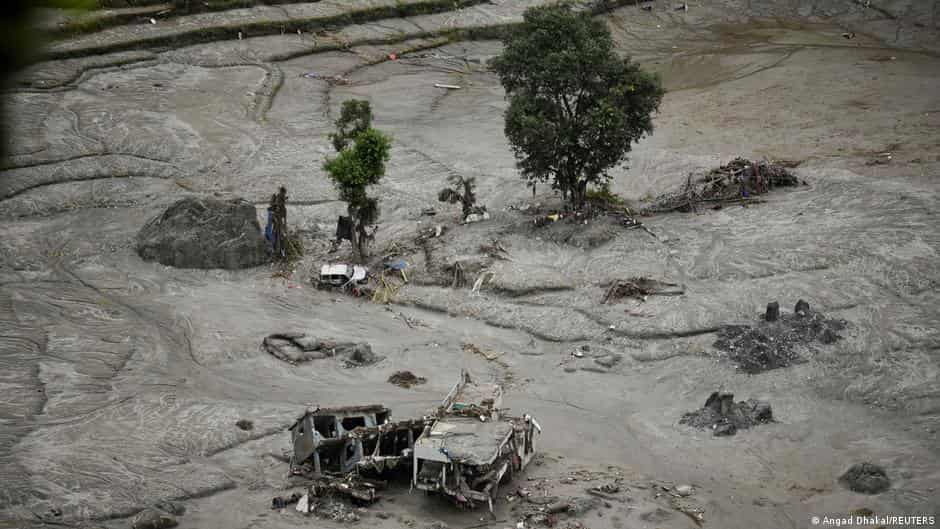
Nepal faces a monumental rebuilding task after a glacier collapse triggered devastating flash floods, destroying thousands of homes and leaving thousands missing. Authorities estimate that approximately 20,000 houses will need to be rebuilt, with 7,500 completely destroyed.
Rescue operations are intensely focused on hydropower project tunnels where dozens of workers are believed to be trapped. Specialized teams from India, China, and the United States are involved in these complex and dangerous operations, with hopes of finding survivors diminishing but not entirely extinguished. Officials believe that the presence of food, water, and air within the powerhouses might have allowed some to survive for over a week.
Survivors are returning to their devastated communities, sifting through the ruins of their homes and livelihoods, searching for missing loved ones and any salvageable belongings. The scale of the destruction is immense, impacting communities along rivers like the Trishuli.
China has also been affected, with a significant number of missing persons reported in Tibet. The country is reopening access to the disaster zone and providing additional aid and technical expertise to support rescue and relief efforts.