Key facts
- Nepal must rebuild approximately 20,000 homes due to severe flood damage.
- Over 1,200 people have died and more than 4,200 are missing following a glacier collapse on August 26.
- Rescuers are searching for survivors trapped in hydropower project tunnels, including nine South Korean nationals.
- South Korea has deployed a disaster relief team and is expanding humanitarian aid to Nepal.
- Authorities are planning to relocate settlements to safer areas to prevent future risks.
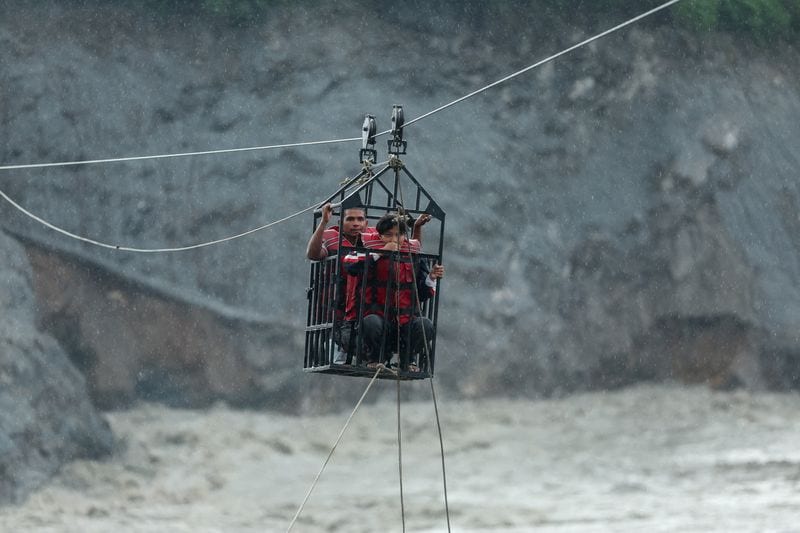
Nepal faces a massive rebuilding effort after devastating floods and landslides, with authorities estimating that around 20,000 houses will need to be reconstructed. The disaster, triggered by a glacier collapse on August 26, has killed at least 1,204 people and left over 4,200 missing. Many of the destroyed homes were located in vulnerable areas near the border with China.
Rescue operations are ongoing, with a particular focus on finding survivors trapped in tunnels of hydropower projects. A South Korean disaster relief team is assisting in these efforts, searching for nine of their nationals who went missing while working at the Upper Trishuli-1 hydropower plant. The team is equipped with advanced technology, including drones and thermal imaging.
Authorities are prioritizing not only the search and rescue but also the rehabilitation of displaced populations. This includes relocating communities to safer ground to mitigate future risks and establishing makeshift schools for children. South Korea is providing significant humanitarian aid, including financial assistance, blankets, and DNA testing equipment to aid in identifying victims.
Officials acknowledge the immense challenge of restoring normalcy, with many residents losing not only their homes but also essential identification documents. The government is also planning to enhance its early-warning systems for landslides.