Key facts
- A WhatsApp group of over 500 engineers and experts is guiding rescue efforts in Nepal following a devastating flash flood.
- The flood, caused by a glacier collapse on August 26, impacted six hydropower plants in the Trishuli valley.
- Rescue workers are searching tunnels of these plants for survivors among the more than 4,000 missing people.
- Two survivors were rescued from the Upper Trishuli 3A hydropower plant.
- The group provides critical information such as layout drawings and access tunnel details to aid the search.
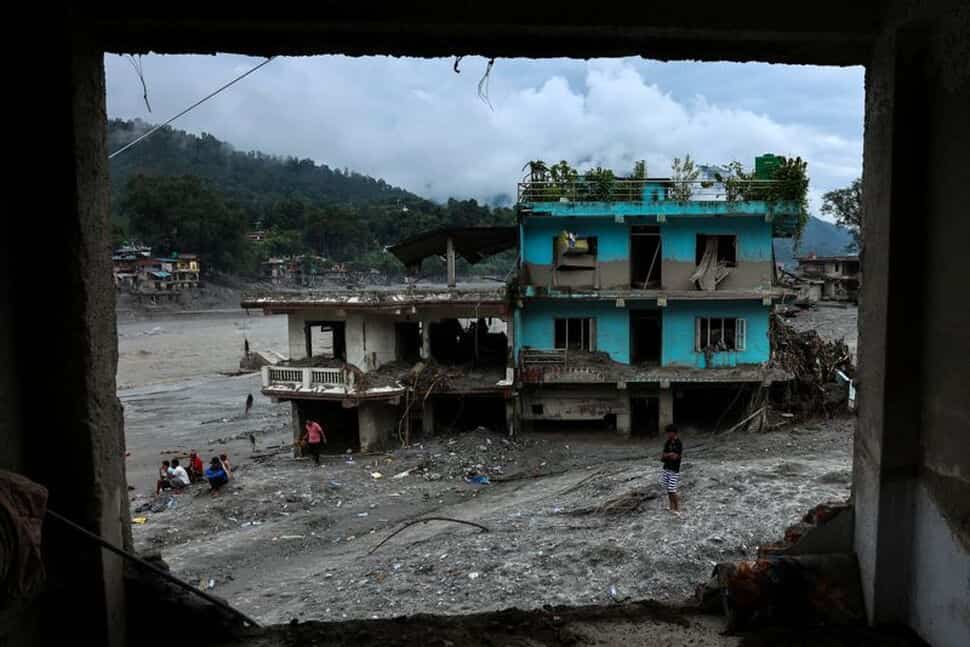
An army of experts is guiding rescue workers in Nepal through a WhatsApp group as they search for survivors inside the tunnels of devastated hydropower plants following a massive flash flood that occurred over a week ago. The wall of water, mud, and rock crashed down the Trishuli valley on August 26, causing widespread destruction.
The messaging group, initially set up by engineers, has expanded to include over 500 members and has become an invaluable tool, complementing helicopters and heavy machinery in the race against time to find anyone alive.
Authorities are hopeful that some of the approximately 900 people reported missing from six hydropower plants, at least three of which were under construction, may have survived by escaping into or working within the tunnels. In a significant development, two individuals were successfully rescued from a tunnel connected to the Upper Trishuli 3A hydropower plant on Friday, nine days after the disaster. One of the rescued individuals indicated the possibility of more survivors remaining in the tunnels.
Locating tunnel entrances has been challenging due to the 2.2 million tonnes of mud and debris deposited by the flood. In one instance, a government official requested Chilime layout drawings on the WhatsApp group, and experts promptly responded with project drawings and access tunnel details. Nepal's Independent Power Producers' Association estimates at least eight people may be trapped at Chilime, while an official from the Nepal Electricity Authority stated that 46 individuals could be trapped at the Rasuwagadhi hydropower plant.
Nepal army spokesperson Raja Ram Basnet noted that the flood significantly altered the terrain and structure around the tunnels, with substantial debris accumulation inside, making the situation far from a normal tunnel closure. Images from Chilime showed flood debris reaching the ceiling inside a large tunnel entrance. The deluge, caused by a glacier collapse, has claimed over 1,200 lives, with more than 4,000 people still missing, including those potentially trapped in the tunnels. Rescue operations are underway at five other hydroelectric sites in the valley, which collectively accounted for 10% of Nepal's power generation capacity before the flood.