Key facts
- Thousands of children in southern Lebanon are displaced due to the ongoing conflict with Israel.
- Many displaced families are residing in public schools that are being prepared to reopen.
- Families are concerned about housing and the cost of school supplies.
- Approximately 50 schools have been destroyed or severely damaged, potentially affecting 100,000 children.
- Save the Children calls for a political solution and ceasefire to address the crisis.
Thousands of children in southern Lebanon remain displaced from their homes six months into the conflict between Israel and Hezbollah, with many living in schools that are now preparing to reopen for the new academic year on September 15. Families face uncertainty about their housing and the ability to afford school supplies like books and uniforms.
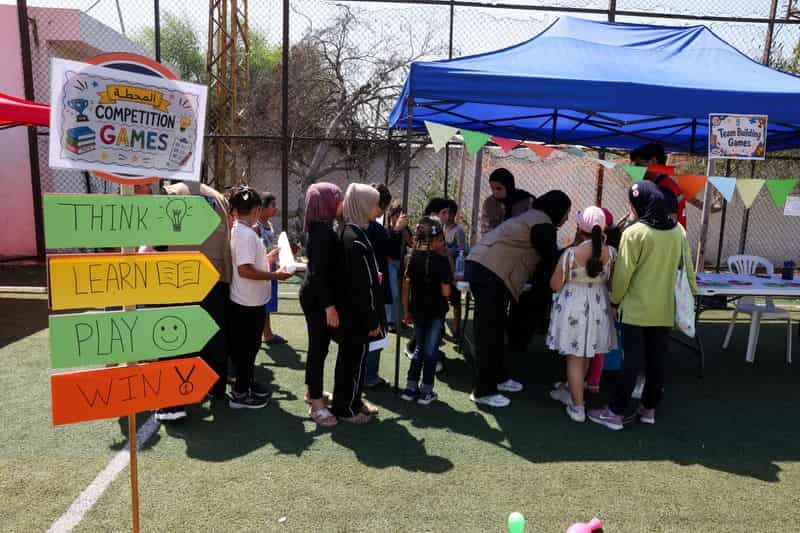
At the Tyre school in southern Lebanon, children's laughter can be heard, but many are living in the schoolyard, which has been converted into a shelter for around 200 families. Some children have lost up to two years of schooling due to repeated conflicts. The Lebanese Ministry of Health reports over 4,300 deaths and 12,000 injuries in Lebanon since March 2, including hundreds of children. While most of the one million displaced people have returned home, over 340,000 remain displaced due to destruction or proximity to Israeli military occupation.
Lebanon's Education Ministry stated that nearly half of the nearly 80 public schools still used as shelters will reopen, with some continuing to serve dual purposes. However, about 50 schools have been destroyed or severely damaged, potentially jeopardizing the school year for at least 100,000 children. The Israeli military has been accused of destroying a public school and kindergarten. Lebanon's Education Minister Rima Karami is working to ensure displaced students can continue their education. Save the Children highlighted that a durable ceasefire is the only solution to the crisis, emphasizing the need for a political resolution.