Key facts
- Russia's war in Ukraine is developing across three dimensions: civilian cities, the front-line battlefield, and diplomatic negotiations.
- Attacks on civilian cities and infrastructure, including bridges, are expected to increase.
- Ukraine is deploying new technologies like heavy bomber drones, unmanned ground vehicles, and the FP-7 ballistic missile.
- Operation Vivaldi, a Ukrainian counteroffensive, has liberated over 176 square kilometers of territory.
- Russian forces have suffered over 5,000 casualties during the first three stages of Operation Vivaldi.
- The U.S. is leading negotiations between Ukraine and Russia, with President Trump inviting Putin to Miami for the G20 summit.
Russia's war in Ukraine is evolving into a more complex conflict, unfolding across three distinct dimensions: attacks on civilian cities, the front-line battlefield, and diplomatic negotiations. This multifaceted approach makes it challenging to form a cohesive understanding of the war's progression.
The first dimension involves increased attacks on civilian cities and their infrastructure, including energy facilities. Russia has revived tactics of destroying bridges, a strategy with a long and violent history in Ukraine, aiming to disrupt movement and morale. This tactic is seen as a desperate measure by Russian President Vladimir Putin, as the situation on the battlefield presents a starkly different picture.
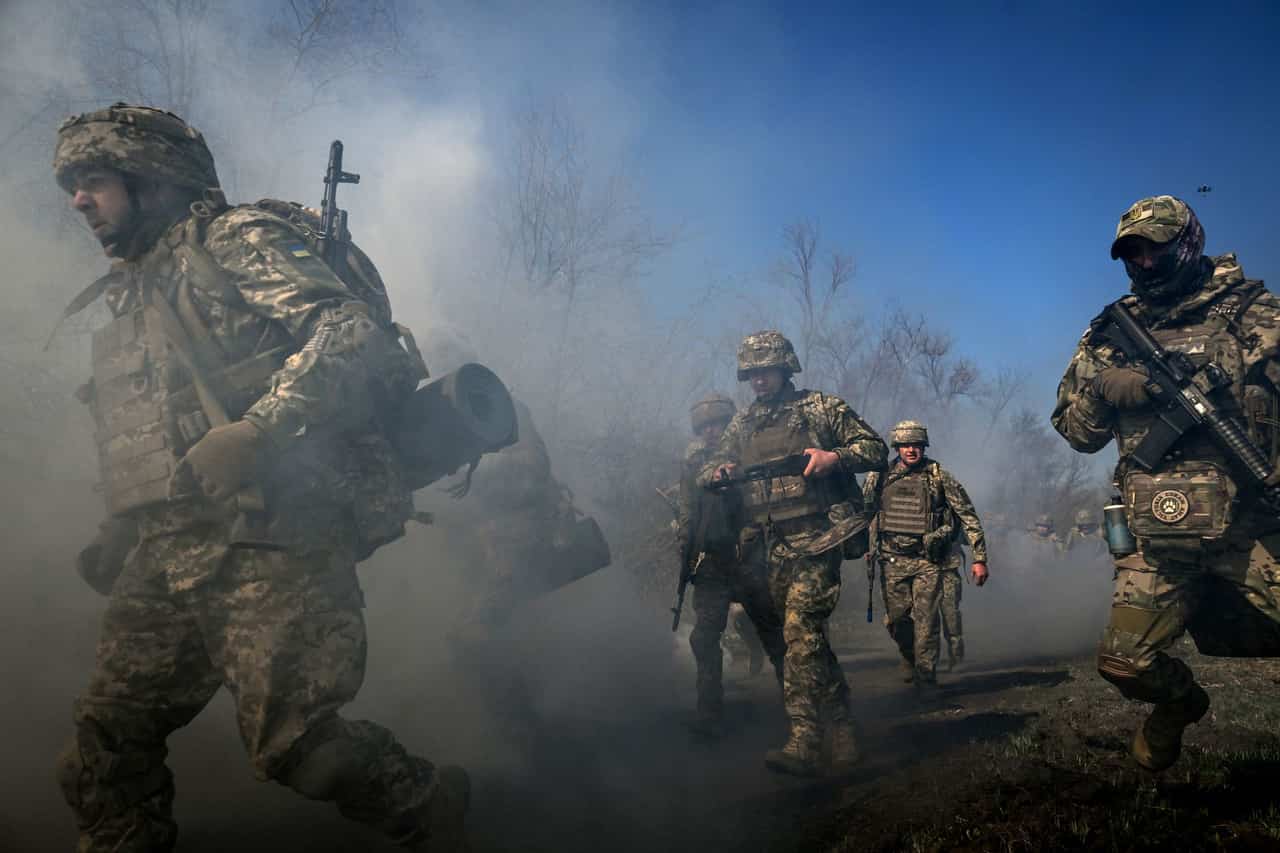
The second dimension focuses on the front-line battlefield, where Russia is struggling to achieve significant gains. Ukraine, conversely, is introducing new technologies and achieving notable successes. The NC13 Unit's 'Gryphon' tactic, combining heavy bomber drones with unmanned ground vehicles (UGVs), has been employed in over 100 successful missions since January 2026. Operation Vivaldi, a Ukrainian counteroffensive, has liberated more than 176 square kilometers of territory, with Russian forces reportedly suffering over 5,000 casualties. Ukraine has also deployed its domestically produced FP-7 ballistic missile and is developing a satellite system. Furthermore, Ukrainian strikes on Russian oil refineries are impacting Russia's economy.
The third dimension concerns peace talks, which are becoming increasingly opaque. The author suggests that Western nations should have provided more military aid and intelligence support to Ukraine earlier. However, Putin is perceived as convincing the U.S. administration of his potential victory and presenting a strong hand in negotiations. European countries, despite facing threats, appear intimidated rather than galvanized into action, struggling with their own defense manufacturing capabilities after years of reliance on the U.S. The U.S. is currently managing negotiations, but the White House's perceived lack of decisiveness and invitations to Putin for summits are seen as emboldening him. The Kremlin has intensified attacks on Ukraine since the beginning of the Trump administration.