Key facts
- Nichias and Gold Stone Development are constructing a plant in Taiwan for specialized plastic components used in chipmaking.
- The new facility is intended to strengthen the semiconductor supply chain and prevent future disruptions.
- TSMC is significantly expanding its 3-nanometer production capacity across Taiwan, the U.S., and Japan.
- The company anticipates substantial sales growth in 2026, driven by AI and other technology sectors.
- TSMC is also investing in advanced packaging technologies like CoPoS to meet client demand.
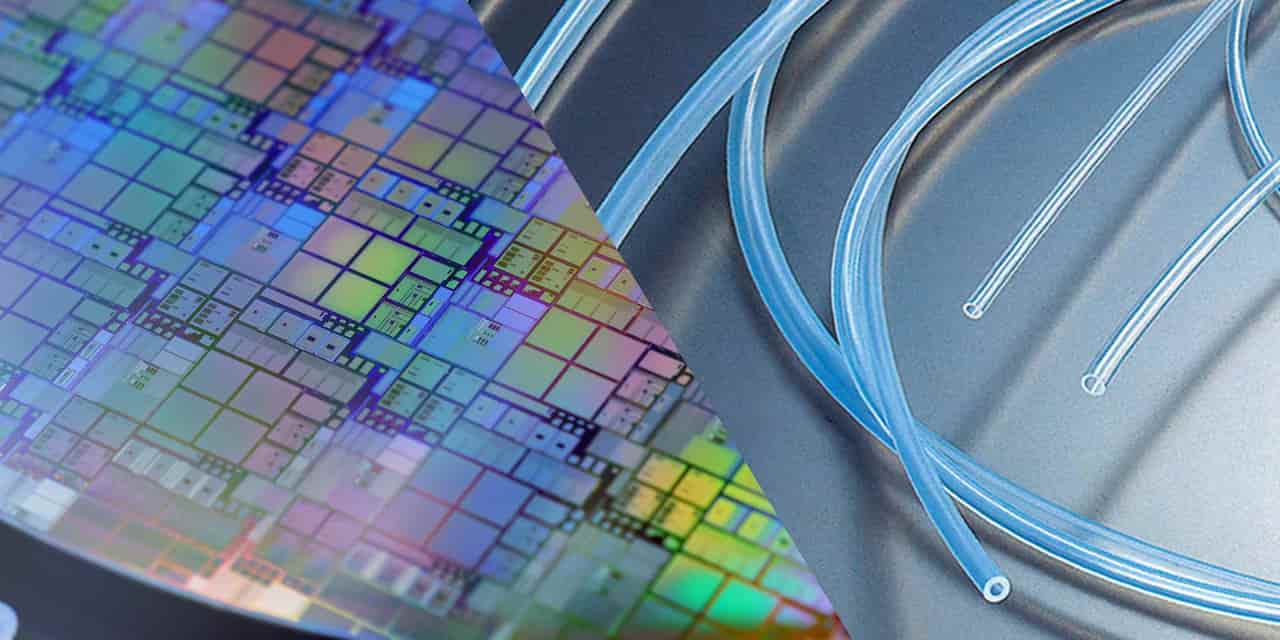
Nichias, a key supplier to Taiwan Semiconductor Manufacturing Co. (TSMC), is set to build a new plant in Taiwan for specialized plastic components essential for chip production. The facility, a collaboration with Gold Stone Development, aims to strengthen the semiconductor supply chain and mitigate past disruptions.
This development comes as TSMC aggressively expands its advanced 3-nanometer (nm) process capacity across Taiwan, the United States, and Japan to meet soaring global demand, particularly for artificial intelligence (AI) applications. TSMC Chairman C.C. Wei has indicated that the company expects sales to grow by over 30% in 2026, with new 3nm production lines in Taiwan slated for mass production in the first half of 2027. Additionally, TSMC's second fab in Japan is scheduled to begin commercial production in 2028, and its U.S. operations include a second fab in Arizona targeting the second half of 2027.
TSMC is also investing in advanced packaging technologies like Chip-on-Panel-on-Substrate (CoPoS) and has begun construction on a 1.4-nanometer fab in central Taiwan. Industry sources suggest TSMC's capital spending could reach $48 billion to $50 billion next year, reflecting the scale of its AI-driven expansion. Advanced packaging equipment makers anticipate full-capacity operations throughout 2026.
In response to concerns about specialty chemical supplies, TSMC's CFO Wendell Huang stated that the company has diversified its sources and maintains sufficient inventory, expecting minimal short-term impact on production. Nvidia CEO Jensen Huang's recent visit to Taiwan highlighted the intense demand for advanced chips, pushing suppliers like TSMC to accelerate construction and equipment deliveries.