Key facts
- Australia's official music charts will ban songs that are wholly or largely generated by artificial intelligence.
Australia's recorded music industry will ban tracks wholly generated by artificial intelligence from official charts, effective next week. Songs must be 'substantially human made' to be eligible, aligning with global industry principles.
The decision aims to protect the livelihoods of human artists by ensuring that official music charts reflect human creativity and prevent the devaluation of music created without authorization.
Australia's recorded music industry will ban tracks wholly generated by artificial intelligence from official charts, a move designed to promote human artistry and prevent chart manipulation. The Australian Recording Industry Association (ARIA) announced that songs must be "substantially human made" to be eligible for inclusion on its charts, effective Monday.
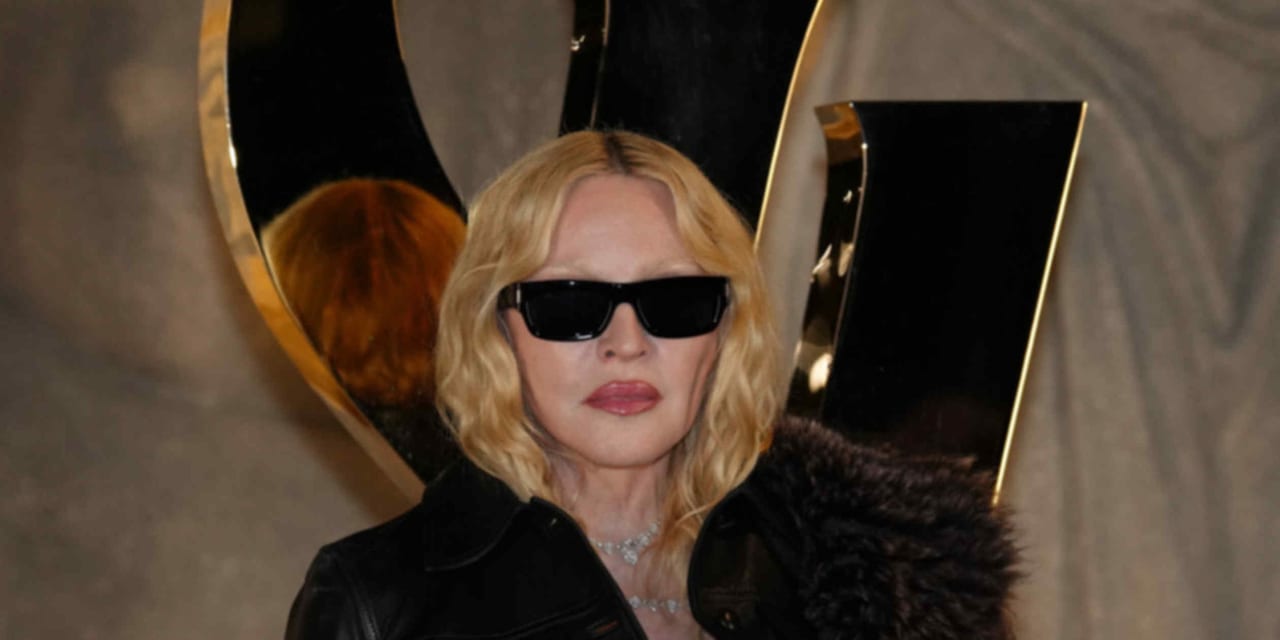
This decision comes after an AI-generated version of Madonna's hit "Like a Prayer," created by an Australian producer, spent 16 weeks in the Australian top 20, peaking at No. 2 and remaining at No. 4. The track, which used AI-generated vocals and drums, sparked debate about the role of generative AI in music.
ARIA chief executive Annabelle Herd stated that the charts must remain a transparent measurement of music consumption and that rewarding "unlicensed AI output" would undermine the industry. While AI tools can still be used for tasks like mastering and production, the core creative elements—songwriting, lead vocals, and primary instruments—must be human-performed.
These new rules align with principles released by the International Federation of the Phonographic Industry (IFPI), which also advocates for tracks to be "substantially human made" to qualify for official charts. Music developed using AI tools trained on artists' work without authorization will be ineligible.
Alexis Weaver, a composer and lecturer at the Sydney Conservatorium of Music, applauded ARIA’s move as a "wonderful step forward" that sends a message the organization wants to "prioritize and value human creativity," noting that it can be difficult to avoid AI tools in the current landscape but that they can be used while humans steer the creative process.
Pick the topics you care about. Get only what matters, on your cadence.