Key facts
- Guillaume Meyer created an open-source AI watermark remover.
- The tool was developed in response to Anthropic's announcement of invisible AI watermarks.
- Meyer's project gained significant viral attention across social media platforms.
A Paris-based tech founder, Guillaume Meyer, created an open-source AI watermark remover in response to Anthropic's announcement of invisible watermarking. The tool went viral, attracting millions of impressions and overwhelming Meyer with unexpected attention and a desire to potentially turn it into a business.
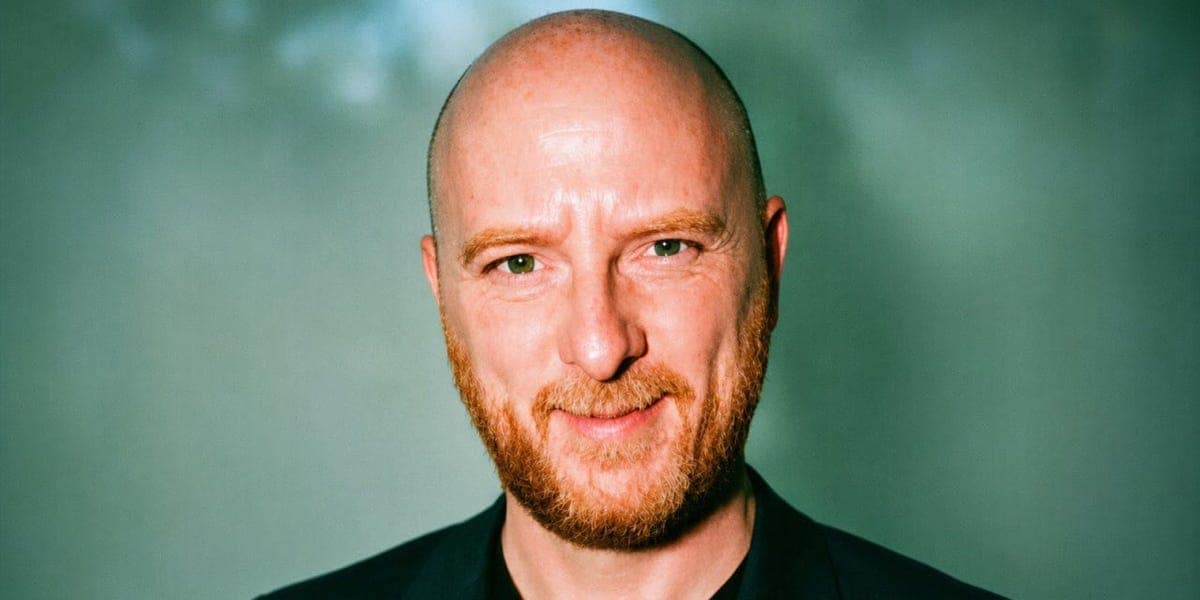
The viral success of Meyer's watermark remover highlights public concerns and debates surrounding AI content attribution and the potential for current watermarking techniques to create false positives, impacting trust and usability.
Guillaume Meyer, a Paris-based tech founder with over 20 years of industry experience, developed an open-source AI watermark remover named 'Watermarks Remover.' The tool was created in response to Anthropic's announcement of implementing invisible AI watermarks in its AI-generated content. Meyer published the first version on GitHub within hours of conceiving the idea, and it quickly gained viral traction, particularly after a post on X (formerly Twitter) garnered over 2 million impressions.
The tool functions by identifying statistical patterns in AI-generated content, similar to how text watermarks are detected. It then generates slight variations to disrupt these patterns, effectively removing the watermark. Meyer explained that this process is analogous to rewriting pixels in images, mirroring the technique used for text.
Meyer expressed that he was unprepared for the intense attention the project received, which has since become a full-time endeavor. He noted that while the intention of AI watermarking is understandable, he believes the current techniques, like Anthropic's statistical analysis, can lead to false positives and negatively impact users, such as non-native English speakers who rely on AI-powered tools like Grammarly for writing assistance.
Despite some criticism, Meyer stated that 99.9% of the feedback has been positive. He clarified that his opposition is not to content attribution but to the specific technique and its implementation. He is now considering the possibility of turning the technically complex tool into a commercial product, acknowledging that it requires further development and adjustments as AI detection methods evolve.
Pick the topics you care about. Get only what matters, on your cadence.