Key facts
- Nvidia customers have been informed of price increases for AI chip-containing servers, with hikes potentially exceeding 15%.
- These price increases are linked to soaring memory chip costs and are set to take effect on systems shipped early next year.
- The increases will impact systems featuring Nvidia's flagship Vera Rubin and Grace Blackwell chips.
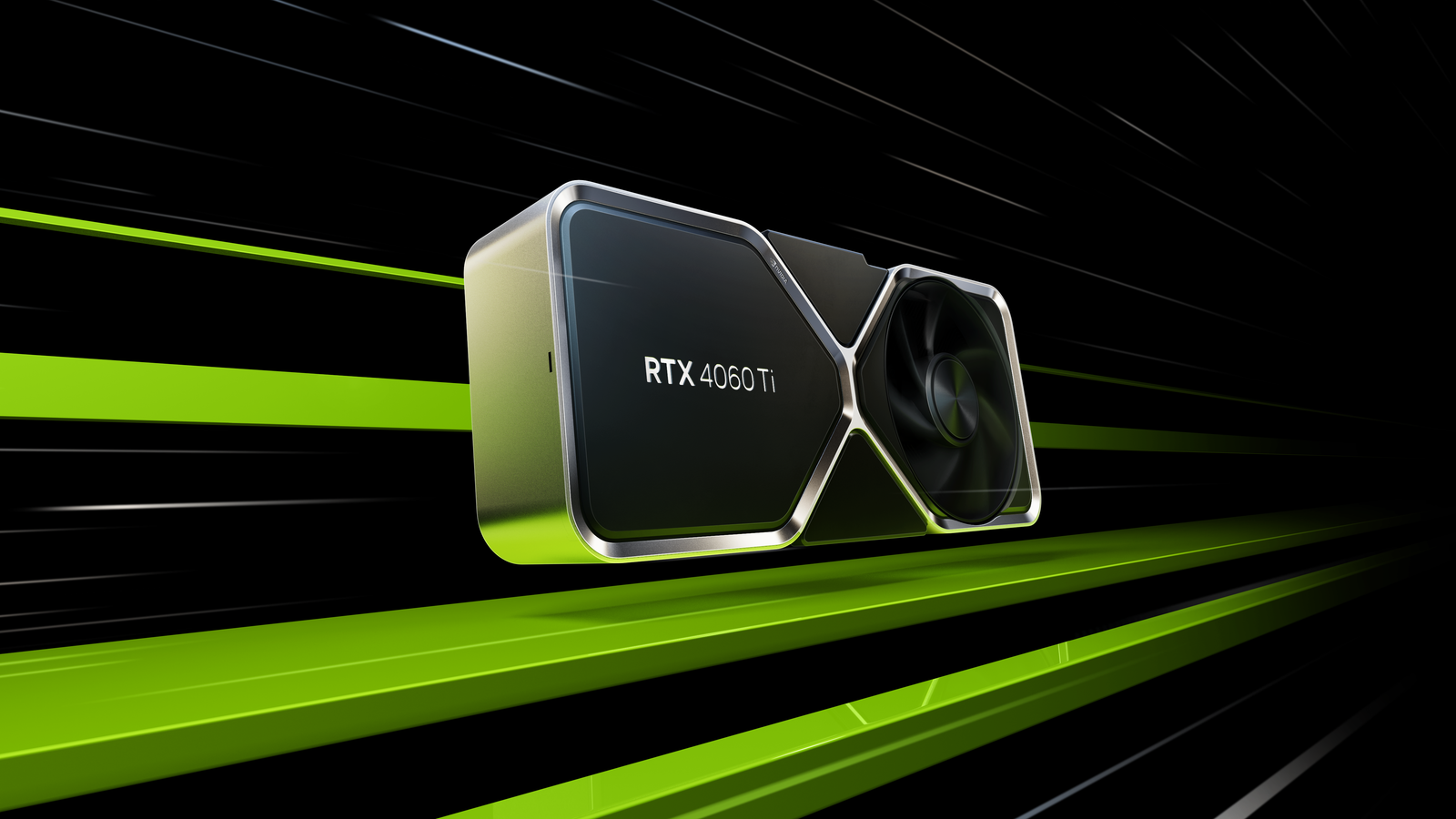
- Nvidia graphics cards are also reportedly facing price hikes of 20% to 30% due to the ongoing memory shortage.
- The RTX Pro 6000 Blackwell GPU has seen its price more than double since its launch, reaching $16,000.
- Industry experts predict the memory shortage, driven by AI demand, could persist for several more years, potentially through 2030.
Nvidia is reportedly set to increase prices for servers containing its artificial intelligence chips by more than 15% for some customers, according to a Bloomberg News report. These price hikes, which are expected to go into effect for systems shipped early next year, are driven by soaring memory chip costs.
The increases will affect systems equipped with Nvidia's flagship Vera Rubin and Grace Blackwell chips, with the exact percentage varying based on the chip generation and memory configurations. Reuters could not immediately verify the report.
Separately, reports indicate that Nvidia graphics cards may also become more expensive, with price increases ranging from 20% to 30%. This is attributed to an ongoing memory shortage exacerbated by the high demand for data centers powering generative AI. Manufacturers like Samsung, SK Hynix, and Micron have shifted production towards High Bandwidth Memory (HBM) for data centers, leading to a shortage of Dynamic Random Access Memory (DRAM) used in consumer electronics.
Further details from gHacks Tech News reveal significant price jumps for specific Nvidia products. The RTX Pro 6000 Blackwell workstation GPU has seen its price increase to $16,000, more than double its initial preorder price of $7,600. Consumer GPUs have also experienced substantial price hikes, with the RTX 5090 now selling for over $4,000, up from its $2,000 launch price, and the RTX 5070 seeing a nearly 65% increase to around $900 from its $549 launch price.
Industry experts, including SK Hynix CEO Kwak Noh-Jung, anticipate that the memory crunch will worsen through 2027 and potentially continue beyond 2030, as demand is expected to outpace supply. This situation has been described as a "historical anomaly" that has effectively reversed decades of cost reductions in memory technology, impacting the prices of various consumer electronics.
