Key facts
- Tokuyama is expanding semiconductor material production to Vietnam and Malaysia.
- The new facilities aim to reduce supply chain risks by diversifying away from Japan.
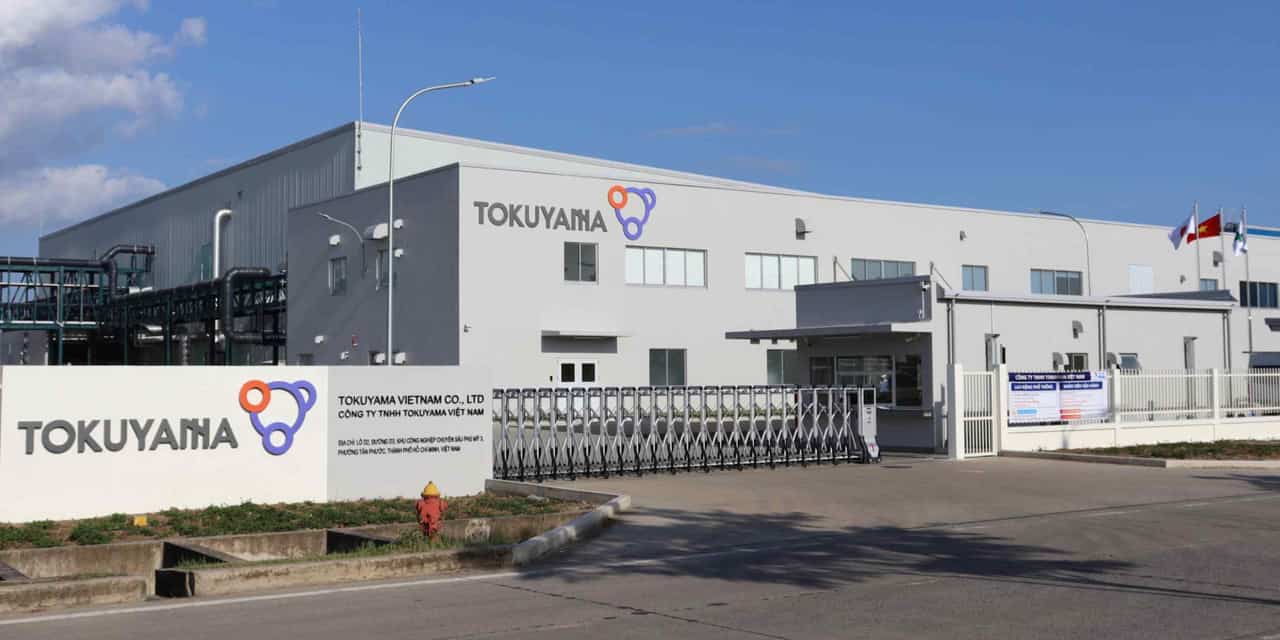
- Tokuyama Vietnam's new plant in Vietnam will have a capacity of nearly 5,000 tons of polysilicon annually.
- A joint venture in Malaysia, OTSM, will invest $435 million to build a 10,000-ton polysilicon factory.
- The expansion is driven by increasing demand for semiconductors, particularly for AI applications.
Japanese silicon manufacturer Tokuyama is expanding its production of semiconductor-grade polycrystalline silicon to Vietnam and Malaysia. This strategic move aims to diversify its supply chain, reducing reliance on its Japanese facilities and mitigating risks associated with natural disasters or regional instability.
The company inaugurated a new $30 million plant in Vietnam, operated by its subsidiary Tokuyama Vietnam, with an annual capacity of nearly 5,000 tons. Simultaneously, Tokuyama is investing approximately $435 million with South Korea's OCI through their joint venture, OCI Tokuyama Semiconductor Materials Sdn. Bhd. (OTSM), to construct a 10,000-ton polysilicon factory in Malaysia.
These expansions are intended to support the growing global demand for semiconductors, particularly those driven by advancements in artificial intelligence. The establishment of OTSM, with a capital of MYR 922 million (approximately USD 218 million), marks a significant step in Tokuyama's strategy to build a robust and resilient supply system for critical chip materials.