Key facts
- The Trump administration is proposing a permanent fee of $103,265 for new H-1B visa petitions.
- A federal judge previously blocked a similar fee, deeming it an unlawful tax.
The Trump administration has resubmitted a proposal for a permanent H-1B visa fee exceeding $100,000, following a previous attempt blocked by courts. The Department of Homeland Security aims to curb program misuse and generate revenue.
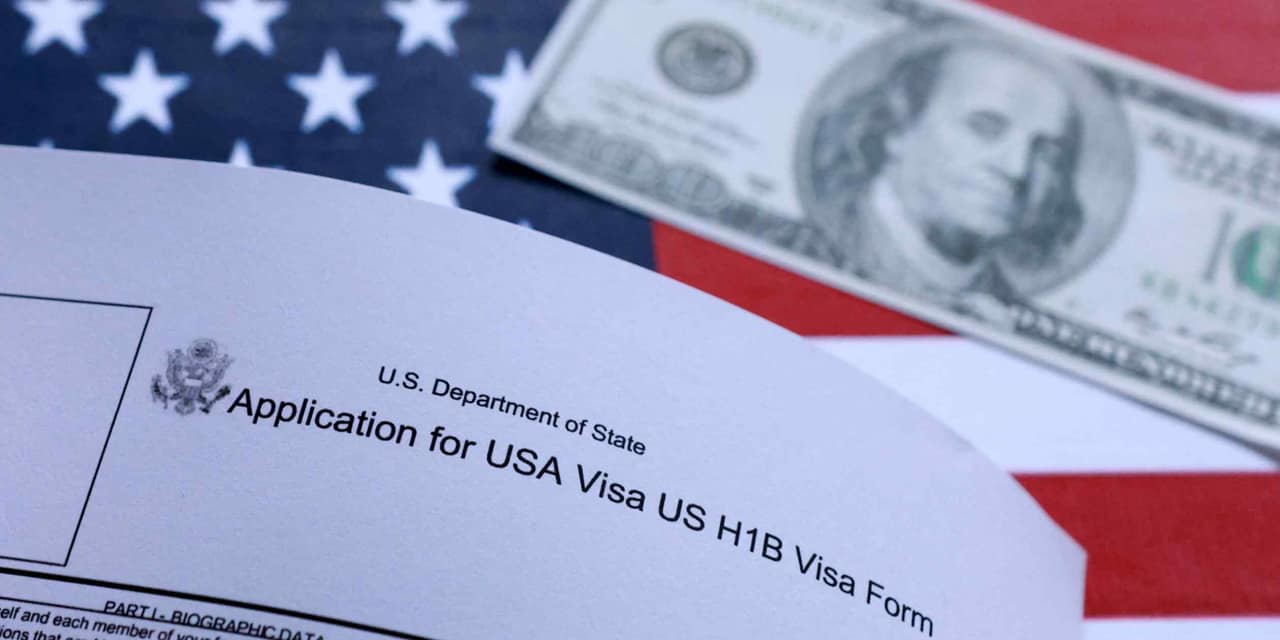
This proposed fee significantly increases the cost for companies seeking to hire foreign talent through the H-1B visa program, potentially impacting sectors reliant on specialized skills and raising questions about the program's accessibility and purpose.
The Trump administration has reintroduced a proposal to permanently implement a fee exceeding $100,000 for new H-1B visas, after a federal judge previously blocked a similar measure. The Department of Homeland Security submitted the new regulation to the Federal Register, commencing a 30-day public comment period. The proposed fee stands at $103,265 per petition.
The administration argues that the fee is necessary to prevent the misuse of the H-1B program, which it claims allows U.S. employers to hire lower-paid foreign workers over American laborers. Additionally, the fee is intended to generate revenue for federal agencies involved in immigration enforcement, such as Customs and Border Protection and ICE.
The H-1B visa program has an annual cap of 85,000 applications, with 20,000 reserved for individuals with advanced degrees. The Department of Homeland Security acknowledged that the fee might lead to a reduction in H-1B registrations and potentially fewer petitions filed by employers, particularly small businesses, but concluded the fee was appropriate.
This proposal is part of a broader effort by the administration to tighten immigration policies. A previous attempt to impose a similar fee was halted by a federal judge in June, who ruled it constituted an unlawful tax requiring congressional approval.
Pick the topics you care about. Get only what matters, on your cadence.