Key facts
- The Department of Homeland Security proposed a permanent fee of $103,265 for new H-1B visas.
- This proposed fee is a significant increase from the previous range of $2,000 to $5,000.
- A previous temporary fee increase of over $100,000 was blocked by federal courts.
- The H-1B program provides 65,000 visas annually, with an additional 20,000 for those with advanced degrees.
- Employer registrations for H-1B visas have decreased substantially in recent years.
The H-1B visa program allows U.S. employers to hire skilled foreign professionals for temporary work, typically for up to three years and renewable for another three. Established by Congress in 1990, it is particularly crucial for the technology sector, which relies on it to recruit talent from countries like India and China. Major consulting firms and outsourcing giants are among the top sponsors of these visas.
Under President Donald Trump's administration, which has focused on immigration restrictions, the H-1B program has faced scrutiny and proposed changes. Trump has criticized the program, suggesting it allows companies to hire lower-paid foreign workers instead of Americans. Business groups and companies, however, argue that the visas are essential for recruiting highly skilled professionals and filling labor shortages in specific industries.
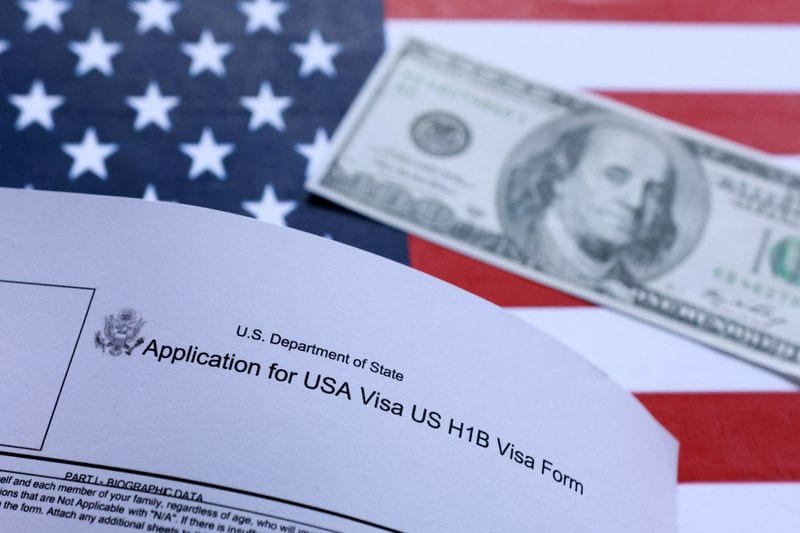
Recently, the Department of Homeland Security proposed a permanent fee increase for H-1B visas, raising the cost from between $2,000 and $5,000 to $103,265. This proposed rule follows a previous fee hike that was set to expire and has already prompted several lawsuits. A Boston-based appeals court is reviewing a federal judge's decision that declared the fee illegal. The U.S. Chamber of Commerce and a coalition of unions and employers have also filed legal challenges, which could be amended to contest the new proposed rule.
In addition to fee changes, the administration has implemented enhanced vetting processes for visa applicants, focusing on issues like censorship and free speech. This has led some companies, such as Google, to increase their operations in India. The H-1B program has an annual cap of 65,000 visas, with an additional 20,000 reserved for workers with advanced degrees. Data indicates a significant decrease in employer registrations for H-1B visas in recent years, with fewer than half the