Key facts
- Vice President JD Vance supports a proposed $103,265 fee for H-1B visa applications.
Vice President JD Vance supports a proposed $103,265 fee for H-1B visa applications, arguing that companies should prioritize hiring and training American workers. The Department of Homeland Security's proposal aims to generate revenue and encourage employers to seek domestic talent.
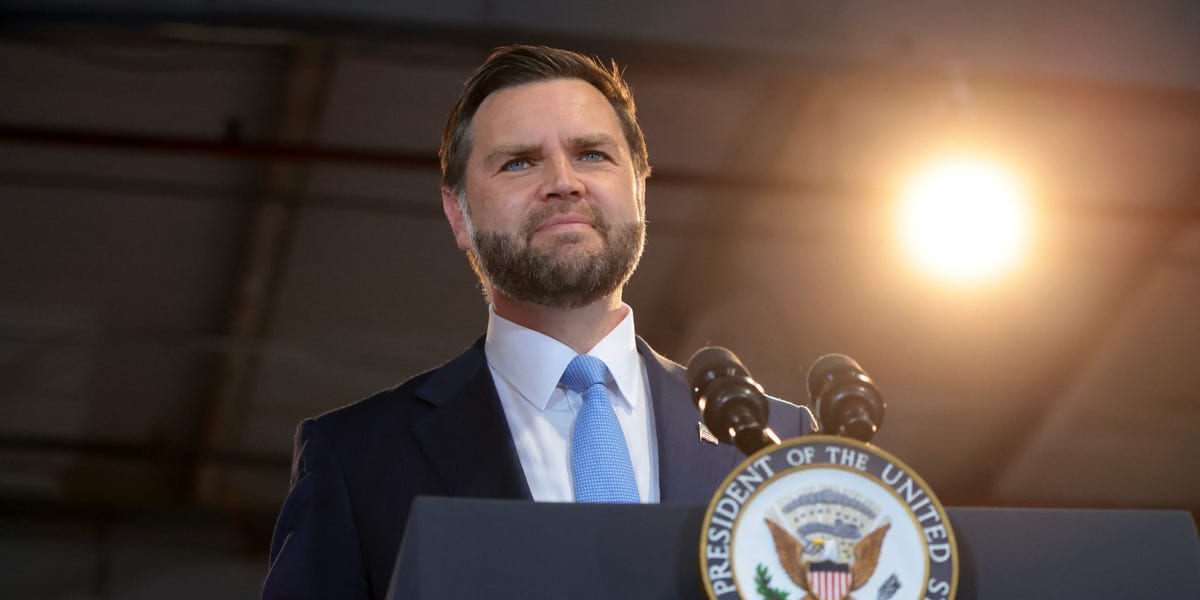
The proposed fee on H-1B visas could significantly increase costs for companies reliant on foreign talent, potentially impacting hiring decisions and the availability of skilled workers in sectors like technology and finance. It also reflects a continued effort by the administration to prioritize domestic labor.
Vice President JD Vance has publicly backed a proposed new fee for companies seeking to hire foreign workers on H-1B visas. The Department of Homeland Security (DHS) has put forth a proposal for a $103,265 fee on cap-subject H-1B petitions, less than three months after a federal judge invalidated a similar $100,000 payment requirement.
Vance shared a post on X (formerly Twitter) about the proposed fee, stating, "If an American corporation needs workers, it should hire and train Americans." The H-1B visa program allows U.S. employers to hire foreign nationals in specialized fields like technology and finance.
The proposed fee, if finalized, would not apply to H-1B petitions from non-profit research or educational institutions. The DHS projects that the fee could generate approximately $8.8 billion annually, which would be used to fund various immigration-related agencies, including USCIS, ICE, CBP, and the Justice Department's immigration courts.
DHS indicated in its filing that companies filing H-1B petitions are "willing and able" to pay the additional fee. The department also suggested that the new fee would make U.S. employers less inclined to hire H-1B workers over qualified American candidates unless no other option exists for specialized skills.
This initiative represents the latest effort by the Trump administration to modify the pathways for foreign workers in the U.S. Previously, the administration announced a $100,000 fee for H-1B visas, which was later ruled unlawful by a federal judge. Additionally, the administration finalized a rule in July limiting the initial admission period for international students on F-1 visas to four years.
Pick the topics you care about. Get only what matters, on your cadence.