Key facts
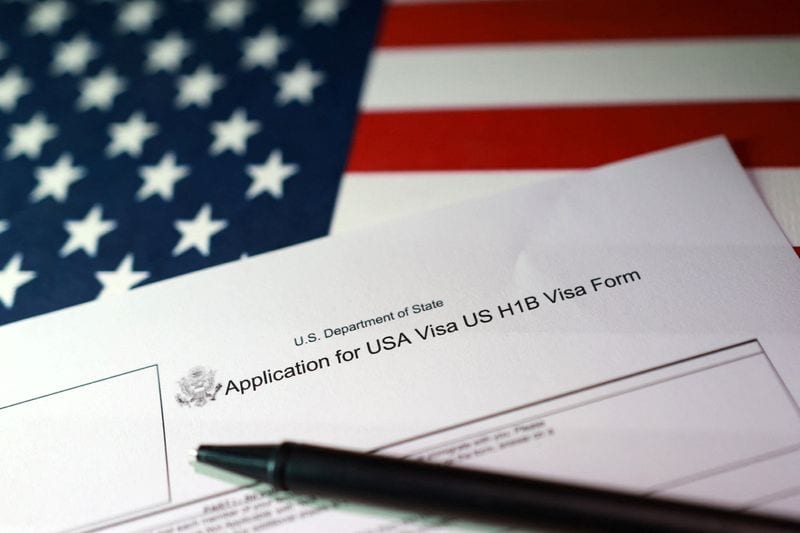
- The U.S. Department of Homeland Security has proposed a new regulation to increase H-1B visa fees.
- The proposed fee for H-1B visas is $103,265.
- This proposal aims to make permanent a fee previously imposed by the Trump administration that was blocked by courts.
- The H-1B visa program allows U.S. employers to hire foreign workers in specialized fields.
- The proposal will undergo a 30-day public comment period before potential finalization.
- Critics argue the program is used to replace American workers, while supporters say it is essential for talent acquisition.
The U.S. Department of Homeland Security has proposed a new regulation that would establish a fee of $103,265 for new H-1B visas for highly skilled foreign workers. This move aims to make permanent a fee previously imposed by the Trump administration, which had been blocked by federal courts. The H-1B program, which offers 65,000 visas annually, is heavily utilized by the tech, education, and research sectors.
The previous fee, imposed by a temporary proclamation, was ruled illegal by a federal judge in June. The proposed regulation, published in the Federal Register, initiates a 30-day public comment period, with a potential finalization by year-end. Critics, including President Trump, argue the H-1B program is abused to replace American workers with cheaper foreign labor. However, business groups contend that the visa program is necessary to address shortages of qualified American workers and attract top global talent.
Legal challenges argue that the administration lacks the authority to override the H-1B law and impose fees without congressional approval. The Trump administration maintains that the fee is not a traditional tax and that the president has the authority to restrict entry. Last year, approximately 344,000 H-1B visas were registered, a decrease from previous years. The administration has also implemented enhanced vetting and proposed a new selection process favoring higher-skilled workers.
