Key facts
- Canada has imposed retaliatory tariffs on U.S. goods following the collapse of trade talks.
- Prime Minister Mark Carney stated the U.S. asked for too much and offered too little in the negotiations.
- The U.S. had previously imposed 50% tariffs on $20 billion of Canadian goods.
- The breakdown of talks is attributed to last-minute U.S. demands that Canada deemed unfair and undermining to its sovereignty.
- Observers suggest the U.S. administration prioritizes its own interests over global economic coordination.
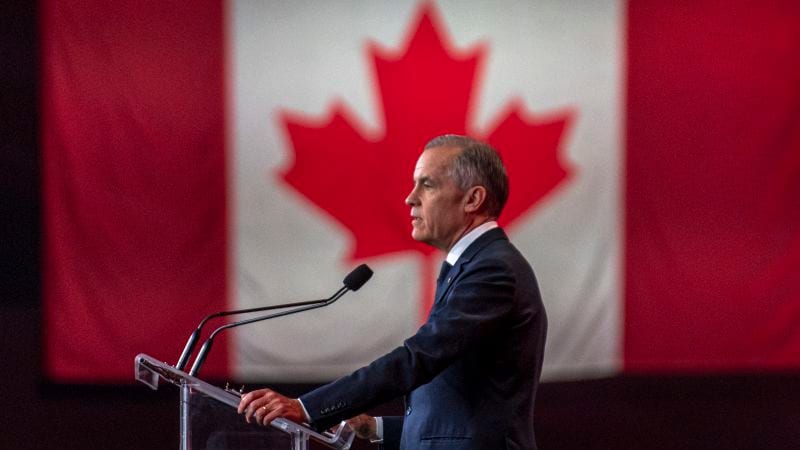
Canadian Prime Minister Mark Carney has announced retaliatory tariffs against the United States after trade negotiations collapsed, with both sides blaming the other for the breakdown. The U.S. had imposed 50% tariffs on $20 billion worth of Canadian goods, which Carney rejected as "uneconomic, unfair, and undermined the net benefits for Canada." He vowed to match the U.S. tariffs "dollar-for-dollar."
Carney stated that the U.S. asked for too much and offered too little, particularly regarding core industries like automotives and critical minerals. The U.S. Trade Representative, Jamieson Greer, countered that Canada's new demands and withdrawal of commitments upended a carefully reached balance, which had included significant tariff reductions on steel, aluminum, autos, and lumber.
Observers suggest the U.S. administration, under President Donald Trump, prioritizes its national interests over global economic coordination, making fair trade deals difficult. This approach has led to a deepening trade war between the two neighboring countries, with goods ranging from anoraks to Christmas ornaments now subject to U.S. import taxes. The situation highlights a potential rift within the U.S. administration, with Vice President JD Vance reportedly mocking Carney during the negotiations.
