Key facts
- US steelmakers like Cleveland-Cliffs, Nucor, and Steel Dynamics may benefit from reduced competition with Canada.
- US automakers, including Ford, Stellantis, and GM, are at risk from integrated supply chains and potential tariffs.
- The Canadian dollar depreciated against the US dollar amid the trade tensions.
- The market is initially treating the US-Canada trade flare-up as a sector-specific issue.
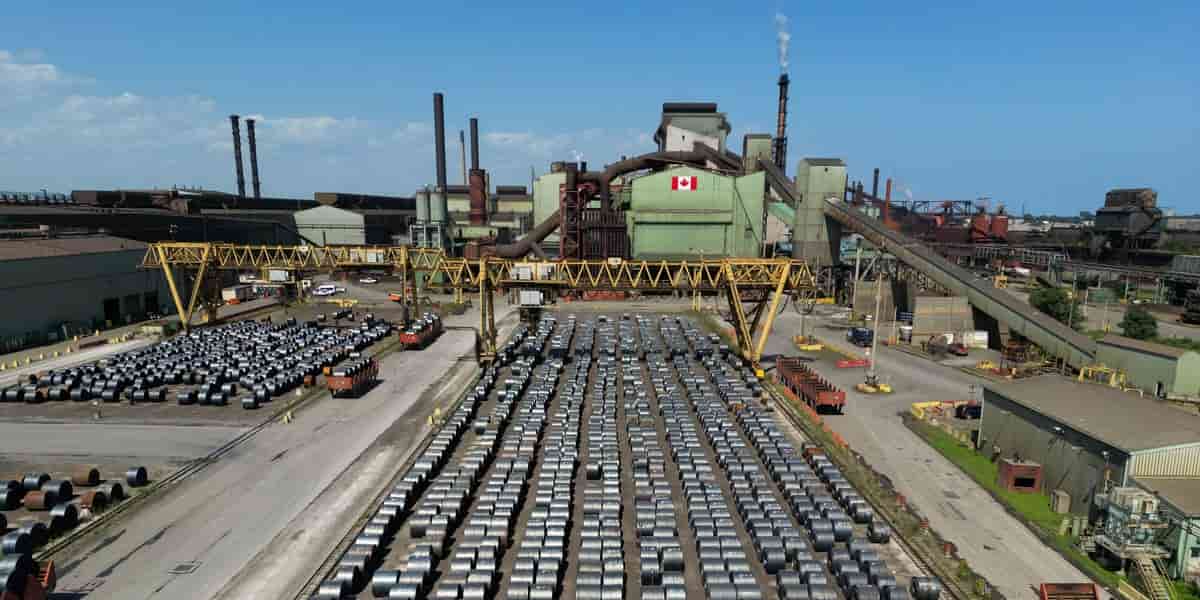
Trade tensions between the United States and Canada have resurfaced, impacting specific market sectors. While the broader market impact was muted, US steelmakers are positioned to gain market share and increased profits due to less competition from Canada. Companies like Cleveland-Cliffs, Nucor, and Steel Dynamics are seen as potential beneficiaries, although some initial gains were relinquished by the end of Monday's trading. Conversely, the integrated nature of the North American auto supply chain means that tariffs could disrupt production schedules, reduce profit margins for automakers such as Ford, Stellantis, and GM, and potentially lead to higher prices for consumers if the dispute persists. The Canadian dollar also weakened against the US dollar, reflecting investor concerns about a larger impact on Canada's economic growth. Currently, the market is treating this as a sector-specific issue, but continued retaliation could threaten established North American trade infrastructure.