Key facts
- President Donald Trump threatened 50% tariffs on Canadian autos and steel, effective Jan. 1, 2027.
- Trump cited unfair trade practices by Canada as the reason for the proposed tariffs.
- Canada declared a trade war and plans retaliatory tariffs on hundreds of U.S. goods.
- Canada's retaliatory tariffs are set to begin on September 8, 2026.
- A proposed trade deal that would have lowered tariffs fell apart over disagreements.
- The dispute could impact U.S. inflation and Federal Reserve rate decisions.
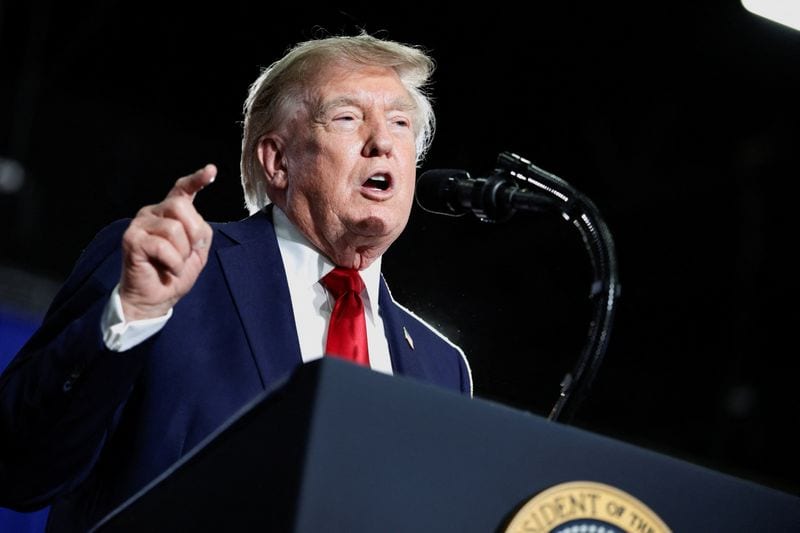
President Donald Trump has threatened to impose substantial 50% tariffs on all Canadian cars, trucks, auto parts, and steel, with the measures set to take effect on January 1, 2027. Trump cited unfair trade practices by Canada as the reason for the proposed tariffs, stating that Canada would no longer be treated as a state.
The proposed tariffs come amid a breakdown in trade talks between the two nations. Canada has declared a trade war and plans to implement its own retaliatory tariffs on hundreds of U.S. goods, including honey and hockey sticks, starting September 8, 2026. One Canadian politician has even suggested cutting off electricity to the U.S. in response to the proposed tariffs.
The escalating trade dispute has broader economic implications. Analysts suggest the conflict could impact U.S. inflation and influence the Federal Reserve's decisions regarding interest rate cuts. In a notable development related to the dispute, President Trump is reportedly considering renaming Lake Ontario to "Lake America."
Canada's minister responsible for U.S. trade, Dominic LeBlanc, indicated that retaliatory tariffs on the United States could be announced on Tuesday. He stated that Canada would have to take steps to protect its economy if a deal was not reached, preferring not to do so. The trade deal on the table would have cut the top-line tariff rate on Canadian cars and light-duty trucks from 25% to 15% and tariffs on aluminum and steel from 50% to 25%, but the deal fell apart on Friday over points of contention, including whether the U.S. tariff relief would have applied to medium- or heavy-duty trucks. The escalation threatens to disrupt one of the world's most integrated auto supply chains, potentially raising costs for American automakers and consumers.