Key facts
- Canada is imposing retaliatory tariffs on U.S. goods starting September 8.
- The U.S. imposed 50% duties on approximately $20 billion of Canadian goods.
- Canadian Prime Minister Mark Carney stated that U.S. demands regarding trade deals with other countries were unacceptable and a threat to sovereignty.
- President Trump asserted Canada's dependence on the U.S. and accused Canada of imposing tariffs on U.S. farmers.
- U.S. Trade Representative Jamieson Greer disputed Canada's account of the trade negotiations.
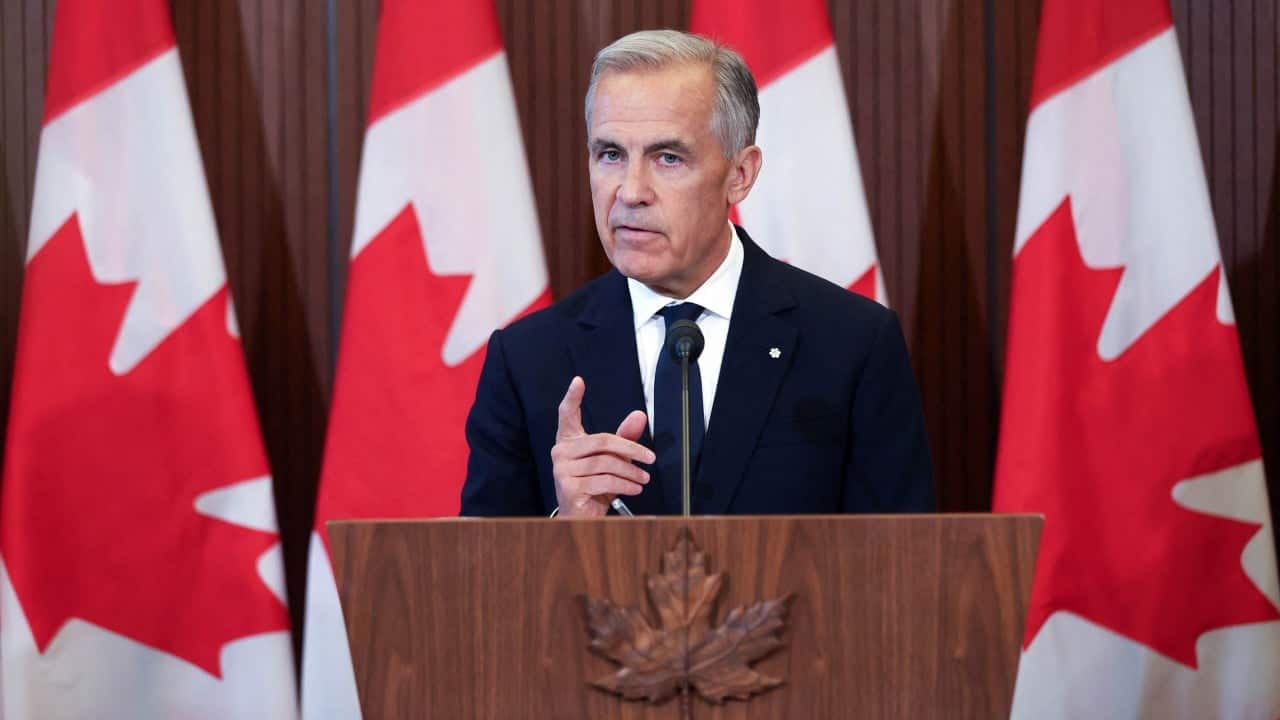
Prime Minister Mark Carney has vowed retaliation against the United States, escalating a trade war after Canada walked away from negotiations. The U.S. imposed 50% duties on approximately $20 billion worth of Canadian goods, prompting Carney to announce dollar-for-dollar retaliation beginning September 8.
Carney stated that the U.S. introduced unacceptable demands in the final hours of negotiations that would have restricted Canada's ability to make trade deals with other countries, calling it a question of sovereignty. He had previously warned at the World Economic Forum in Davos about the need for middle powers to resist economic coercion from larger nations like the U.S. and China.
President Trump responded by emphasizing Canada's dependence on the U.S. and accusing Canada of imposing tariffs on U.S. farmers for years. He reiterated his past musings about making Canada the 51st U.S. state.
U.S. Trade Representative Jamieson Greer rejected Canada's account of the breakdown in talks, asserting that Ottawa introduced new demands and backed away from commitments. Greer indicated the U.S. is proceeding with additional measures in response to Canada's retaliation.
Historian Robert Bothwell noted Canada's unique vulnerability to U.S. pressure, with nearly three-quarters of Canadian exports going to the United States. He suggested that Canada's success in this standoff would mean retaining its independence. Professor Nelson Wiseman stated that Canada is providing a significant test of whether Carney's strategy of resistance can influence other middle powers.