Key facts
- Ukraine's 1991 Declaration of Independence was adopted on Aug. 24, 1991.
- The declaration's effectiveness was contingent on a public referendum scheduled for Dec. 1, 1991.
- President George H. W. Bush met with Ukrainian American leaders on Nov. 27, 1991, to discuss conditions for U.S. recognition.
- Bush expressed doubts about the referendum's outcome, listing requirements such as adherence to the Helsinki Final Act and non-nuclear status.
- Despite Bush's doubts, the referendum passed overwhelmingly, with extensive grassroots organizing by movements like Rukh.
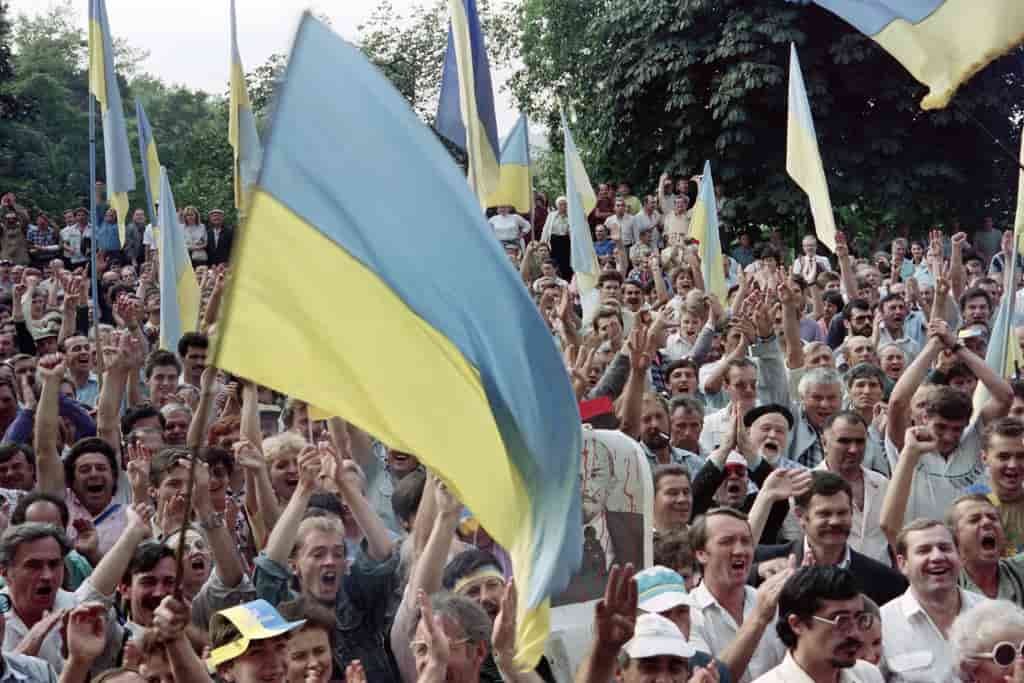
Newly revealed accounts from individuals involved in Ukraine's independence process highlight the strategic calculations and grassroots determination that led to the nation's sovereignty. On August 24, 1991, Ukraine's parliament, the Verkhovna Rada, adopted the Act of the Declaration of Independence. However, this declaration was contingent on a popular vote, scheduled for December 1, 1991.
Five days before this pivotal referendum, on November 27, 1991, then-U.S. President George H. W. Bush hosted a meeting with Ukrainian American leaders. During this meeting, Bush expressed reservations and listed conditions for U.S. recognition of Ukraine's independence, including adherence to the Helsinki Final Act and a commitment to non-nuclear status. Participants noted Bush's apparent doubts about the referendum's success, a sentiment that contrasted with the confidence of those on the ground in Ukraine.
The memoir emphasizes the significant role of Rukh, the Ukrainian democratic movement, in mobilizing support for the referendum. Rukh organized extensive door-to-door campaigns and town-hall meetings, engaging an estimated 10,000 to 20,000 activists. Key preceding events, such as the 1990 'Human Chain' and the dramatic resignations of Communist Party members from Rukh's executive council, underscored the growing momentum for independence. These efforts culminated in an overwhelming vote in favor of independence on December 1, 1991.