Key facts
- A U.S. judge blocked an Ohio law requiring documentary proof of citizenship for voter registration at motor vehicle offices.
- The judge ruled that a written attestation of citizenship is sufficient for voter eligibility.
A U.S. judge has blocked an Ohio law that required documentary proof of citizenship for voter registration at motor vehicle offices, ruling it violated the National Voter Registration Act.
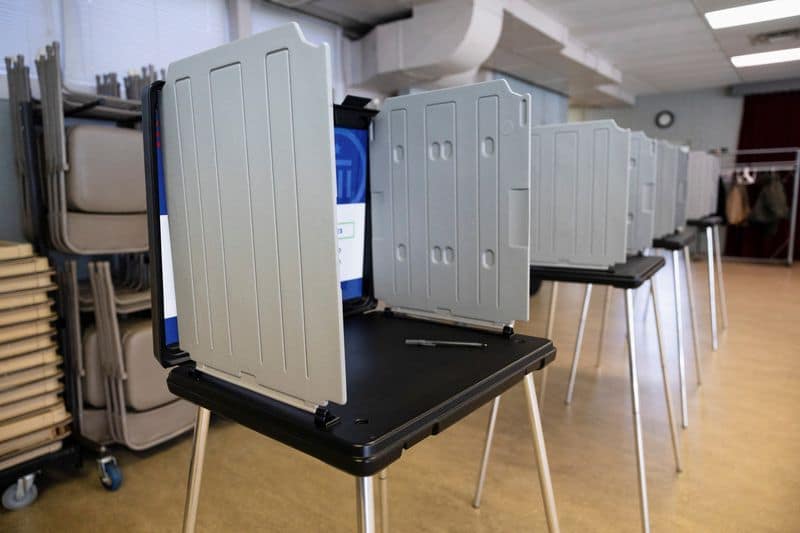
The ruling is a significant victory for voting rights advocates and Democrats in a key battleground state, potentially impacting voter access ahead of upcoming elections.
A U.S. District Judge has blocked an Ohio law that mandated documentary proof of citizenship for individuals registering to vote at the state's motor vehicle offices. The decision, issued by U.S. District Judge Solomon Oliver Jr., represents a setback for Republican efforts to tighten voter registration rules.
The law, signed by Governor Mike DeWine, required documents such as birth certificates or passports when applying for a driver’s license or state identification. Advocacy groups, including the Ohio Alliance for Retired Americans, challenged the law, arguing it created an unnecessary obstacle and violated the National Voter Registration Act of 1993.
In his ruling, Judge Oliver stated that voters attesting in writing to their U.S. citizenship was sufficient for election officials to assess eligibility. He also ruled that the state’s law offering voter registration to people only when they are successfully approved for a license, as opposed to when they apply, also runs afoul of the NVRA.
Ohio's Secretary of State, Frank LaRose, a Republican, said he strongly disagrees with the court order and will file an immediate appeal, stating he will "vigorously defend our legal authority to safeguard our voter rolls and protect the integrity of Ohio’s elections." President Donald Trump has also been a proponent of such laws, advocating for a nationwide requirement for proof of citizenship during voter registration.
Pick the topics you care about. Get only what matters, on your cadence.