Key facts
- Australia is slowing down the processing of working holiday visas.
- The government's decision is influenced by a migration backlash and concerns over housing shortages.
- Immigration Minister Tony Burke confirmed the policy shift, prioritizing the PALM scheme for better worker protections.
- Farmers' groups warn that the reduction in backpacker labor could jeopardize Australia's food security.
- The number of working visa holders in Australia exceeded 210,000 in June 2025.
Australia's government is deliberately slowing the processing of working holiday visas, a move that has drawn criticism from farmers and businesses reliant on this labor source. The policy shift, confirmed by Immigration Minister Tony Burke in August 2026, comes amid a broader migration backlash fueled by soaring housing prices and rising anti-immigration sentiment, particularly from parties like One Nation.
Burke stated that the government is prioritizing the Pacific Australia Labour Mobility (PALM) scheme over traditional backpacker routes, citing a need for better worker protections. This change in pace means that while applications are still active, they are moving more slowly than before. Data from the Department of Home Affairs indicated that the number of working visa holders in Australia surpassed 210,000 in June 2025, a significant increase from pre-pandemic levels, which has become a political talking point.
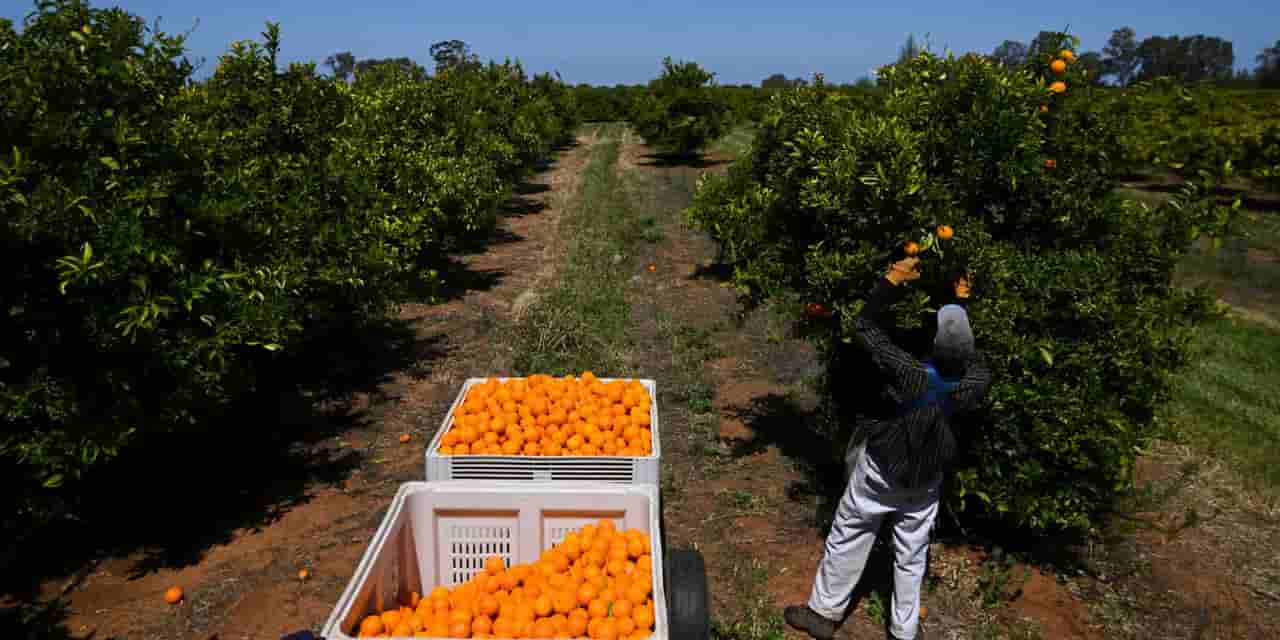
Farmers' representatives, including the National Farmers Federation (NFF), have expressed alarm, estimating that backpackers constitute about half of the peak-harvest casual workforce. They warn that a slowdown or reduction in these visas could jeopardize Australia's food security. Charities like BlazeAid also rely heavily on working holiday makers for disaster recovery efforts, with a significant percentage of their volunteers being backpackers. The organization's CEO, Melissa Jones, highlighted the broader economic and social contributions of these temporary workers to rural communities.