The Trump administration intends to revoke non-immigrant visas for foreigners who have applied for or are seeking asylum in the U.S. This move, aimed at curbing perceived frivolous asylum claims, could affect up to 200,000 individuals.

This policy change significantly impacts individuals seeking asylum in the U.S., potentially revoking their legal status to remain as visitors and complicating their asylum claims. It represents a further tightening of U.S. immigration policy under the Trump administration.
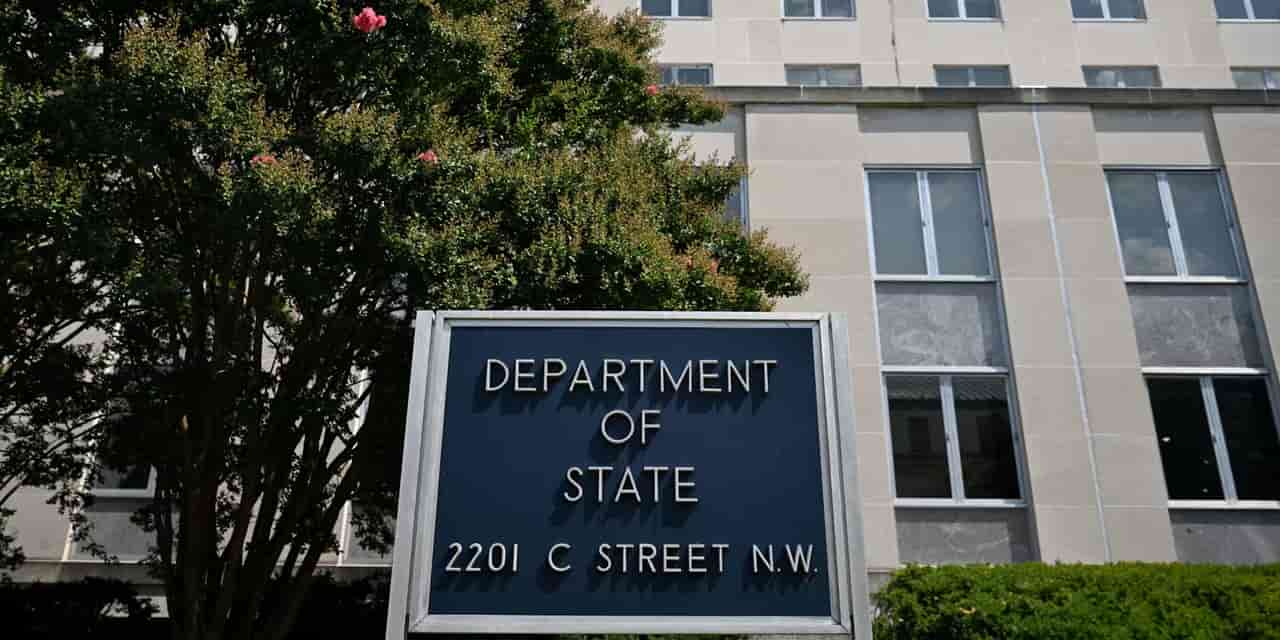
The Trump administration is planning to revoke non-immigrant visas for foreigners who have applied for or are currently seeking asylum in the United States. A State Department spokesman stated the coordination with the Department of Homeland Security aims to identify and revoke visas of individuals who entered as short-term visitors but then filed for asylum to remain permanently.
The State Department will target B1 and B2 visas, issued for business and tourism, that were granted between 2016 and 2026 to individuals who have sought or are seeking asylum. The Associated Press, citing State Department documents and officials, reported that this action could affect up to 200,000 individuals, potentially marking the largest single mass revocation of visas in U.S. history. These revocations would not necessarily lead to immediate deportation but would re-categorize the status of those with pending asylum cases, removing their business or tourism traveler designation.
Deputy Secretary of State Christopher Landau asserted that the U.S. immigration system is "swamped by frivolous asylum claims." This initiative is part of President Trump's broader immigration enforcement strategy, which includes visa and green card revocations and aggressive deportation efforts, which the administration states are for domestic security. However, rights groups have raised concerns that these policies violate free speech and due process, potentially leading to racial profiling and creating an unsafe environment, particularly for ethnic minorities. The administration's efforts to tighten legal immigration, including new fees for work visas, have also faced legal challenges.