Key facts
- A federal judge dismissed a lawsuit challenging President Donald Trump's decision to permit offshore drilling.
- The lawsuit was filed by environmental groups including the Northern Alaska Environmental Center.
An Alaska federal judge dismissed a lawsuit by environmental groups challenging President Donald Trump's move to allow offshore drilling along previously protected coastlines. The judge found the challenge premature as drilling is not imminent.
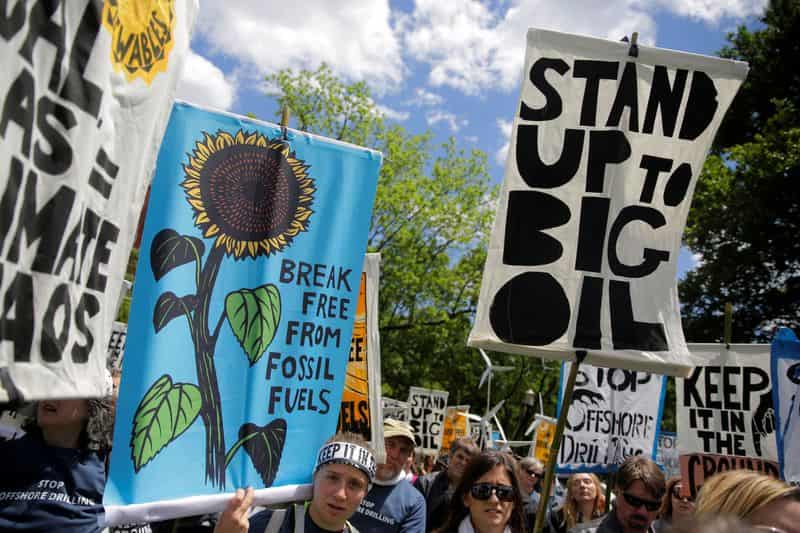
The ruling allows the Trump administration's efforts to expand offshore drilling to proceed without immediate legal impediment, potentially impacting sensitive coastal ecosystems and advancing the administration's energy production agenda.
An Alaska federal judge on Monday dismissed a lawsuit brought by environmental groups challenging President Donald Trump's initiative to permit offshore drilling along extensive stretches of protected coastline. U.S. District Judge Sharon L. Gleason determined that the lawsuit, filed by groups including the Northern Alaska Environmental Center, was premature because drilling activities were not imminent in federal waters previously withdrawn from such development by Trump's predecessors.
Gleason's ruling did not address the fundamental legal authority of presidents to reverse prior withdrawals of coastal areas from drilling. The decision leaves open the possibility for the environmental groups to refile their challenge should federal officials proceed with expanding offshore drilling.
Earthjustice, an advocacy organization representing the plaintiffs, stated that while disappointed by the court's finding of no imminent drilling, they maintain that Trump's actions to open withdrawn areas for oil leasing are unlawful. The group intends to pursue these claims if and when offshore activities become a reality.
Former Democratic President Joe Biden had previously banned new offshore oil and gas development along most U.S. coastlines. This move was largely symbolic, as it did not affect areas already undergoing drilling and primarily covered zones lacking significant development prospects. Trump, a Republican, aimed to reverse this policy shortly after taking office as part of broader efforts to boost oil and gas production and counteract Biden's climate change initiatives. The environmental groups had argued in their February 2025 lawsuit that Trump lacked the authority to revoke these protections, citing potential significant adverse impacts on endangered species, ecosystems, and Native American communities.
Pick the topics you care about. Get only what matters, on your cadence.