Tesla Cybercab test drive reveals strengths and weaknesses
IN SHORT
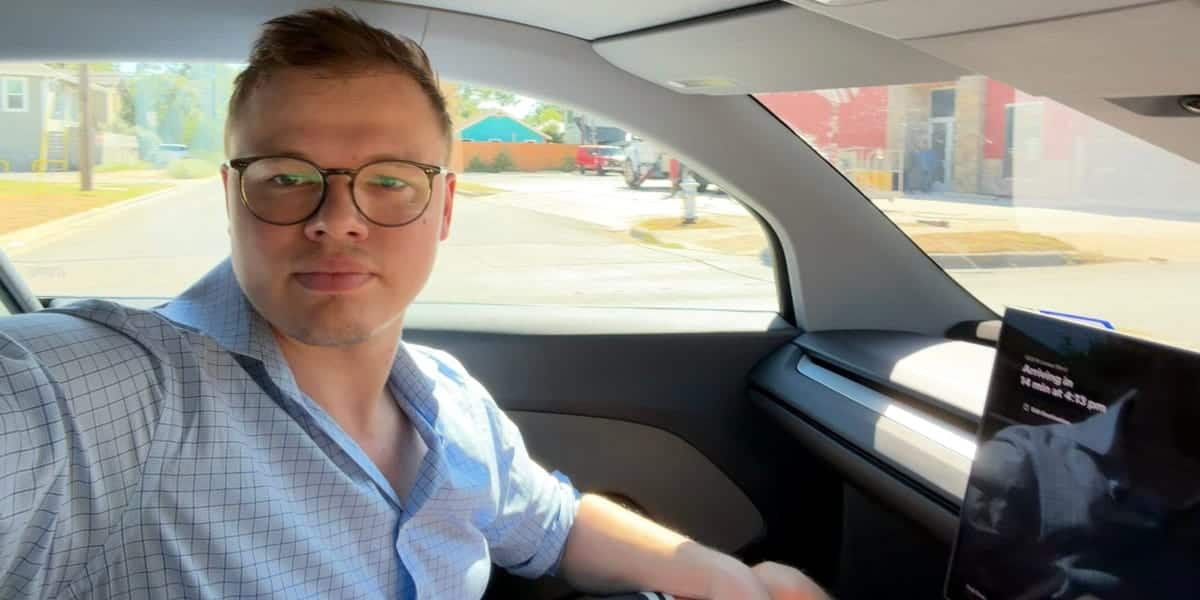
A Business Insider reporter test-drove Tesla's steering-wheel-free Cybercab in Austin, Texas, highlighting its assertive driving style and advanced maneuvering capabilities but also its user-unfriendliness and potential emergency response challenges.
Key Numbers
$30,000Target sale price for Tesla Cybercab
$0.20 to $0.40 per mileTarget operating costs for Tesla Cybercab
40 to 50 minutesInitial wait time for Cybercab booking
12 minutesLater estimated wait time for Cybercab
Who's Involved
Jan Klauth
Business Insider reporter who test-drove a Tesla Cybercab
Elon Musk
Tesla CEO aiming to compete with Uber and Lyft with Cybercab
Matthew McElearney
Austin fire captain calling for higher standards for self-driving cars
↳ Why This Matters
Tesla's Cybercab represents a significant step in autonomous vehicle technology, aiming to offer a more affordable and efficient ride-hailing service. However, challenges in emergency response and user experience need to be addressed for widespread adoption and to compete effectively with established players like Uber and Lyft.