All NewsEducationTVBrokers
Equities & FundsCrypto & Digital AssetsAI & TechnologyBusiness & CorporateUS Politics & PolicyGeopolitics & Global RiskMacro, Rates & FXCommodities & EnergyEuropean Politics & MarketsAsia-PacificReal Estate & Property
All NewsHome
© PiQ · The news that matters, on your cadence.AboutFAQTermsPrivacyDMCA
← Back to Geopolitics & Global Risk

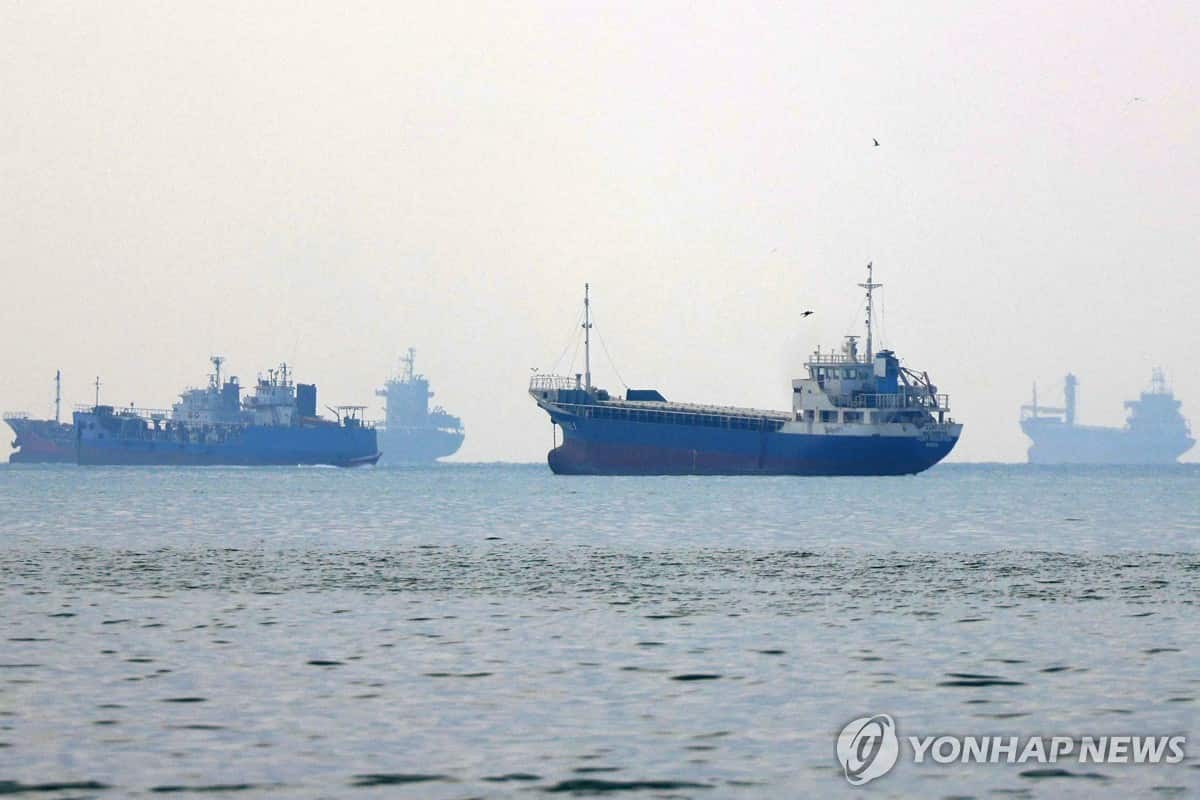
South Korean team returns from UAE after assessing Strait of Hormuz security

Created at 10 Sep · 4:41 AM1 source↑ Market-relevant
IN SHORT

A South Korean government team assessing security near the Strait of Hormuz returned from the UAE on Thursday. The mission, comprising defense and foreign ministry officials, evaluated military bases, ports, and logistical conditions as Seoul weighs potential military deployment amid U.S. pressure.

Who's Involved

South Korea
government team assessing security near Strait of Hormuz returned from UAE
United Arab Emirates
country visited by South Korean assessment team
Donald Trump
US President who pressured South Korea for military commitment
Lee Jae Myung
President who reportedly declined to join US efforts to 'denuclearize' Iran
Seong Ghi-hong
senior presidential secretary for public relations who reiterated no final decision on deployment
South Korean team returns from UAE after assessing Strait of Hormuz security

↳ Why This Matters

South Korea faces a diplomatic challenge navigating U.S. pressure for military involvement in the Strait of Hormuz while managing potential repercussions from Iran, impacting its regional security posture and alliance dynamics.

Key facts

  • A South Korean government team assessing security near the Strait of Hormuz returned from the UAE on Thursday.
  • The team comprised defense and foreign ministry officials.
  • The mission evaluated military bases, ports, and logistical conditions.
  • The U.S. has been pressuring South Korea to commit forces to the region.
  • South Korea and the U.S. are scheduled to hold a defense dialogue next week.

A South Korean government team tasked with assessing the security situation near the Strait of Hormuz returned from the United Arab Emirates (UAE) on Thursday. The team, consisting of defense and foreign ministry officials, conducted an on-site assessment of the overall security and operational situations near the strait, including checking key military bases and ports, as well as logistical and other conditions. The mission was carried out discreetly as Seoul carefully deliberates its potential role in helping secure safe passage through the crucial shipping lane amid the ongoing U.S.-Iran conflict. The dispatch of the team has been interpreted as Seoul leaning toward a military deployment to join U.S.-led operations, drawing immediate backlash from Tehran. U.S. President Donald Trump's administration has been pressing South Korea to commit forces and military assets to assist with U.S. operations in the region. Trump previously stated that when he asked President Lee Jae Myung if Seoul would like to join U.S. efforts to "denuclearize" Iran, he was told "No thanks," and that he would remember Lee's response. Local news reports have speculated on potential military assets for deployment, including the P-8A maritime patrol aircraft, a logistics support ship, and explosive ordnance disposal teams, though the naval logistics support vessel has reportedly been ruled out due to the large number of sailors required. The assessment team likely visited Al Dhafra Air Base in Abu Dhabi. Sending an assessment team to a candidate deployment site is a required procedure under the defense ministry's directives on overseas military deployment, and the team is obliged to report its findings to the National Security Council. The defense ministry has stressed that the team's dispatch does not guarantee a deployment, stating its purpose was solely to assess the security environment and safety conditions. Seong Ghi-hong, senior presidential secretary for public relations, reiterated on Thursday that no final decision has been made, noting that alternatives to combat or noncombat forces could be explored. Seoul appears to be taking a prudent approach despite Washington's pressure. South Korea and the U.S. are expected to hold their key defense dialogue in Busan next week, where Washington may raise the issue of Hormuz contribution, even if it is not on the official agenda.

Frequently asked questions

The Strait of Hormuz is a vital chokepoint for global oil supplies, connecting the Persian Gulf to the open ocean. It is located between Iran and the UAE.

The U.S. is seeking to bolster security in the Strait of Hormuz amid tensions with Iran and is pressuring allies, including South Korea, to contribute military assets and forces.

Reports speculated on the potential deployment of P-8A maritime patrol aircraft, a logistics support ship, and explosive ordnance disposal teams, though the logistics ship was reportedly ruled out.

What Happens Next

01South Korea and the U.S. are expected to hold their key defense dialogue in Busan next week.

How It Developed

A South Korean government team assessing security near the Strait of Hormuz returned from the UAE on Thursday.
The team, composed of defense and foreign ministry officials, visited the UAE to assess security and operational situations near the strait.
The team arrived at Incheon International Airport on Thursday.
South Korea and the U.S. are expected to hold their key defense dialogue in Busan next week.

Sources

T1
S. Korean team for Strait of Hormuz assessment returns from UAEYonhap News Agency

Related Stories

Iran to designate restricted maritime zone near Strait of Hormuz amid regional tensions
9 Sep · 11:36 AM
Iran may reverse-engineer captured US underwater drone
9 Sep · 10:21 PM
Pakistan warns Iran on Houthis after Saudi strikes
9 Sep · 8:31 AM
UN chief warns of grave consequences from Hormuz escalation
10 Sep · 12:11 AM
Iraq tanker struck by drone in territorial waters
9 Sep · 2:06 PM