Russian drone strikes near Ukraine-Poland border crossing
IN SHORT
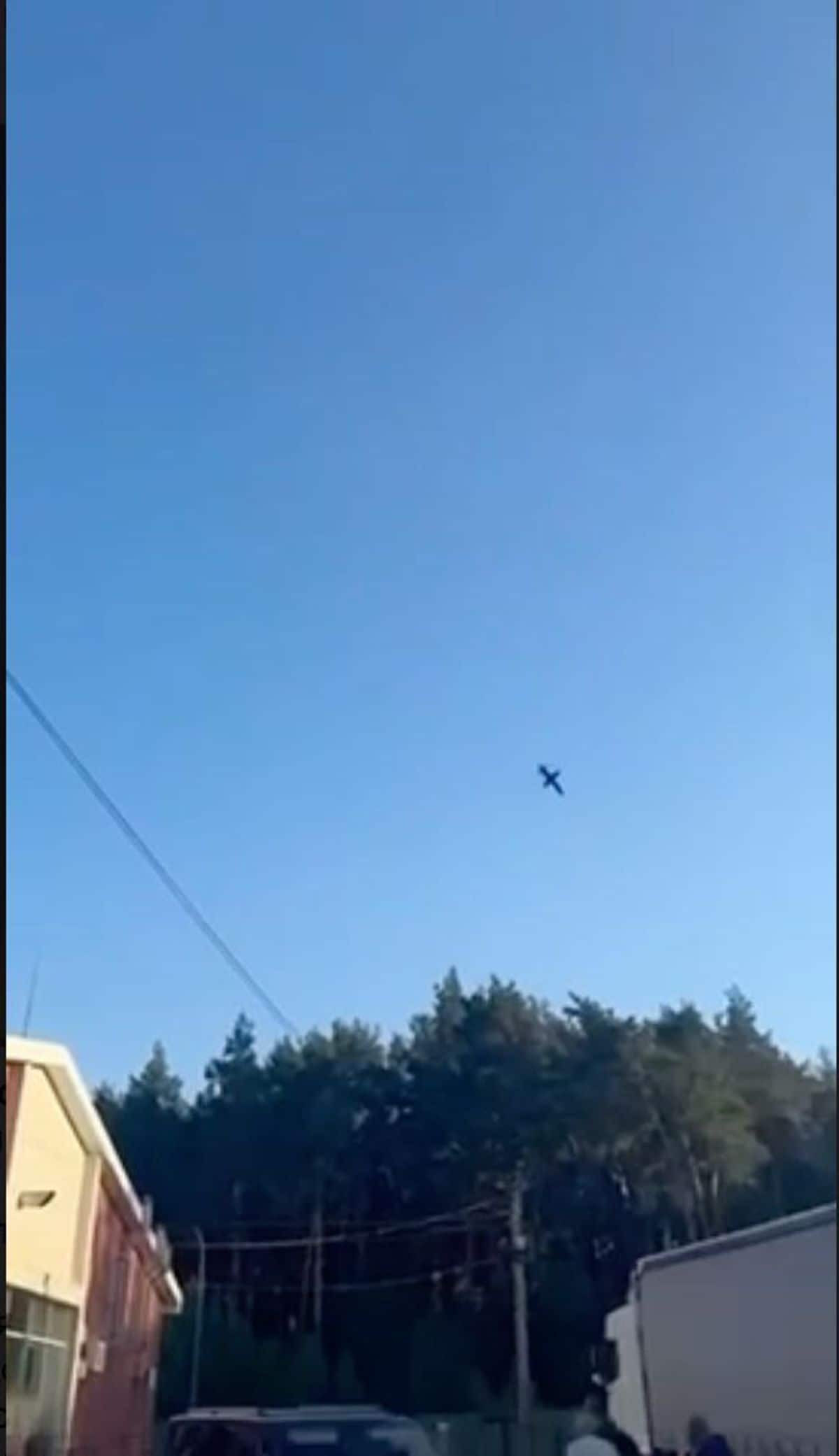
A Russian drone struck near the Yahodyn border crossing in Ukraine's Volyn Oblast on Sept. 28, 2026, several hundred meters from the Polish border. Polish Defense Minister Władysław Kosiniak-Kamysz confirmed the strike on Ukrainian territory, stating that Polish airspace was not violated and that air defense systems were ready. This incident follows a series of recent Russian attacks near the Polish border.
Key Numbers
2kilometers from Dorohusk crossing, per Polish Defense Minister
1.2miles from Polish border, per Polish Defense Minister
800meters from Polish border, per Ukrainian sources
0.5miles from Polish border, per Ukrainian sources
Who's Involved
Władysław Kosiniak-Kamysz
Polish Defense Minister who confirmed drone strike on Ukrainian territory
Ukraine's State Border Guard Service
sources that confirmed drone strike near Yahodyn crossing
Cezary Tomczyk
Deputy Defense Minister who announced changes to military aircraft procedures
↳ Why This Matters
The increased frequency of Russian drone strikes near Ukraine's border with Poland raises concerns about potential escalation and the security of NATO's eastern flank. Changes in Poland's rules of engagement reflect heightened tensions and the risk of miscalculation.