Key facts
- Russia agreed to a temporary ceasefire in occupied Oleshky, Ukraine, on October 29, 2026.
- The ceasefire was facilitated by U.S. First Lady Melania Trump.
- Experts suggest Russia aims to use the ceasefire for propaganda and political gains.
- Residents fear being taken to "concentration camps" or forced to remain in Russia.
- Other occupied territories in Ukraine are also facing severe humanitarian crises.
- The ceasefire is seen as a move to bolster Russia's image as a peacemaker ahead of U.S. midterm elections.
Russia's agreement to a temporary ceasefire in the occupied Ukrainian city of Oleshky on October 29, 2026, is viewed by experts as a strategic move for propaganda and political gain, rather than a humanitarian concession. The Kremlin is leveraging the situation to present itself as a rescuer of civilians, potentially influencing international perception and the upcoming U.S. midterm elections.
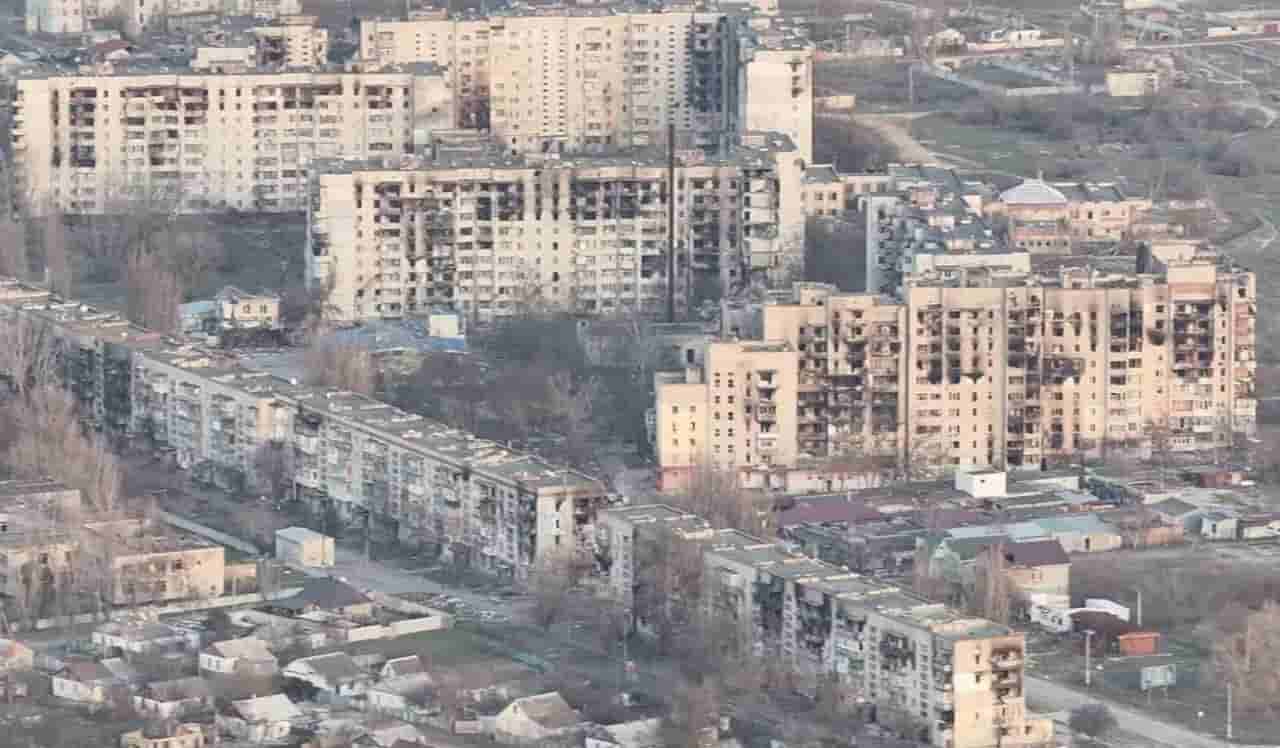
Oleshky has been under Russian occupation and blockade since early in the full-scale invasion, with residents facing severe shortages of food, water, and electricity, and facing dangers from mined roads and drone attacks. Despite Russian forces controlling the city and creating the crisis, President Vladimir Putin has accused Ukraine of causing the humanitarian catastrophe.
The ceasefire, facilitated by U.S. First Lady Melania Trump, is seen by some as an opportunity for Russia to manipulate facts, potentially ensuring few residents leave for Ukraine and staging videos to portray a positive outcome. While Russia's stated aim is to save elderly residents, critics suggest the move is designed to bolster its image as a peacemaker and potentially influence U.S. political dynamics.