Key facts
- Lula's win is expected to maintain Brazil's strong soybean flow to China.
- Rare earth reserve access for the US may face hurdles under Lula.
- Brazil's currency devaluation is expected to encourage accelerated sales by producers.
- Brazil has the second-largest rare earth oxide reserves globally.
- Lula's government aims to adjust local fuel prices to international benchmarks.
- Government debt reached 82.9% of GDP in August.
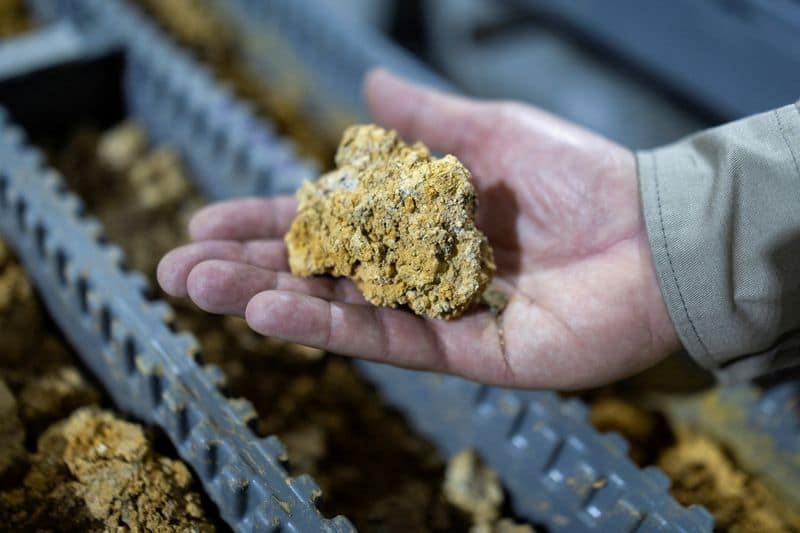
Brazil's surprising reelection of leftist President Luiz Inacio Lula da Silva will have implications for the global flow of commodities, analysts said. His opponent, Flavio Bolsonaro, fled to the US after promising to improve ties with the US and potentially erode trade with China. With Lula remaining in power, Brazil's significant soybean exports to China are expected to continue, and cotton and beef exports may benefit from a weaker currency. Access to Brazil's rare earth reserves, however, may face hurdles. Clean energy sources like biofuels could receive a boost, alongside reinforced environmental regulations and climate politics. China remains a close partner to Brazil, which bought $100 billion of Brazilian goods last year compared to $38 billion by the US. Brazil supplied 75% of China's soybean imports in the first nine months of the year. The Brazilian real plunged as much as 13% after Lula's win, which Ole Hansen, head of commodity strategy at Saxo Bank, said could encourage producers to accelerate sales. Coffee farmers, sugar mills, and grain exporters hedged their foreign sales by selling futures this week. Brazil holds the second-largest rare earth oxide reserves globally, critical for auto, defense, and tech industries. While Lula is expected to develop the industry, he will likely open prospects to all countries and investors, requiring higher processing levels in Brazil. The only large-scale rare earth project, Serra Verde, was acquired by USA Rare Earth with $1.6 billion in financing from the US government, which secured a 10% stake. Environmental groups welcomed Lula's win, noting his administration's efforts to reduce deforestation. Lula's government has supported clean energy and climate politics, driving the ethanol blending rate to a record 32% this year. However, people in the ethanol industry suggest more could be done by cutting fossil fuel subsidies. Consulting firm Datagro estimates local gasoline prices to be around 35% below international prices, impacting ethanol prices and potentially leading mills to produce more sugar. The government aims to prevent global energy price volatility from affecting the local economy by adjusting fuel prices gradually. Farm leaders fear Lula's economic policy of high public spending will lead to inflation and high interest rates, with government debt reaching 82.9% of GDP in August. Interest rates are among the highest globally at 13.75%, making rural debt servicing expensive. Soy and corn farmers have struggled with low prices and high production costs.