Key facts
- NASA and Katalyst Space Technologies canceled a mission to rescue the Swift gamma-ray telescope.
NASA and Katalyst Space Technologies have canceled a mission to rescue the Swift gamma-ray telescope due to technical issues with the rescue satellite, Link. The mission aimed to boost Swift's orbit before it reentered Earth's atmosphere.
The cancellation highlights the inherent risks and complexities of pioneering space missions, particularly those with aggressive timelines, and underscores the challenges in developing advanced robotic servicing capabilities for existing satellites.
NASA and Katalyst Space Technologies have called off a planned robotic mission to rescue the Swift gamma-ray telescope, which was at risk of falling out of orbit. The decision was made due to persistent technical issues with the rescue satellite, named Link.
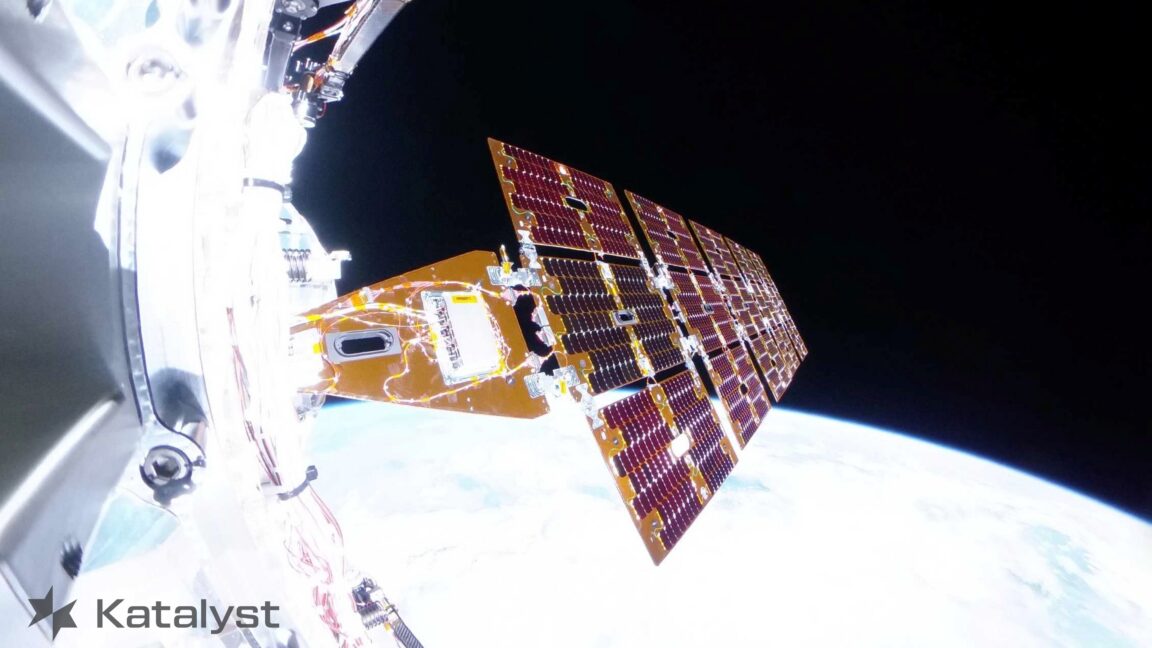
Link, a refrigerator-sized spacecraft equipped with robotic arms and electric thrusters, was launched on July 3 with the objective of capturing the Swift observatory and maneuvering it into a higher, safer orbit. However, "ongoing attitude control issues" with Link have rendered it incapable of completing the primary rescue task.
Katalyst stated that while the mission will not achieve its original goal, they will seek to extract technical and operational value from the Link spacecraft, including demonstrating its close-in navigation system. NASA Administrator Jared Isaacman acknowledged the mission's unsuccessful outcome but defended the decision to attempt it, citing the potential return and the rapid development timeline.
The mission's ambitious schedule, requiring Katalyst to ready the satellite for launch in just nine months, necessitated accepting significant technical risks. Problems emerged in late July when Link experienced a sudden loss of control, attributed to two malfunctioning reaction wheels and issues with its cold gas thrusters, leaving its plasma thrusters as the sole means of orientation control.
Pick the topics you care about. Get only what matters, on your cadence.