Key facts
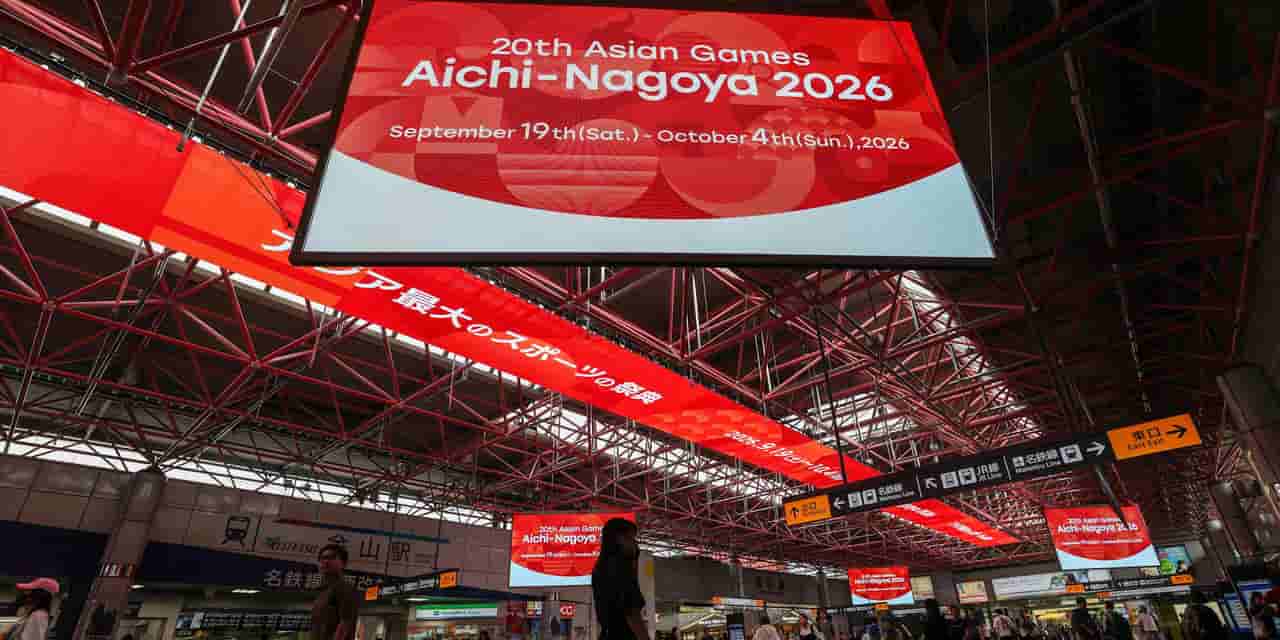
- Nagoya is hosting the Asian Games from September 19 to October 4, 2026.
- The event is forecast to generate $11.7 billion in economic impact through 2036.
- The economic impact is expected from post-event legacy effects, including the use of new facilities and infrastructure.
- Nagoya aims to strengthen its identity as an international sports tourism destination.
- The games are expected to attract athletes, visitors, and international media.
- Japan is hosting the Asian Games for the third time, with previous events in 1958 and 1994.
The Asian Games, the region's largest sports competition, are set to begin on September 19, 2026, in Nagoya and surrounding areas in central Japan's Aichi Prefecture. Local governments are focusing on the long-term economic benefits and legacy of the event, aiming to utilize newly built facilities and infrastructure to foster development.
Nagoya is positioning itself as a new sports tourism destination, seeking to attract international travelers beyond traditional hubs like Tokyo, Kyoto, and Osaka. The games provide an opportunity to showcase the city's blend of modern infrastructure, historic landmarks, and regional experiences, including heritage sites, culinary traditions, and manufacturing history.
The torch relay, which commenced at Nagoya Castle on August 22, 2026, has already brought global attention to Aichi Prefecture's tourism potential. Approximately 1,000 torchbearers are participating across the prefecture, connecting communities through the event.
Nagoya's successful bid for the games was influenced by its geographical advantages, including excellent access to other major cities via the Shinkansen and Chubu Centrair International Airport. The city's strong economic foundation, centered around its manufacturing industry, also played a crucial role in securing the necessary funding and infrastructure development. Cooperation between local governments, companies like Toyota Motor Corporation, and government support were key factors in the bid's success.