Key facts
- China's economic activity has weakened broadly in the third quarter.
- Retail sales, fixed-asset investment, and industrial production have fallen short of market expectations.
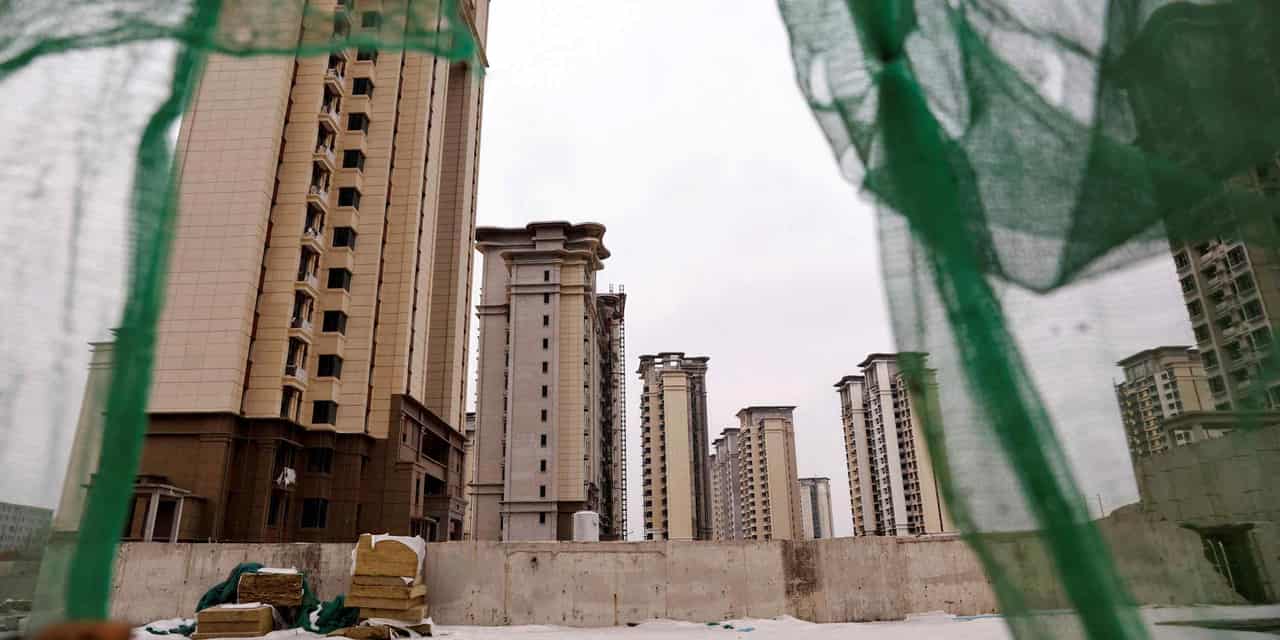
- Nationwide housing sales and real estate investment continue to contract.
- Exports have remained relatively resilient, supported by the global AI investment cycle.
- Policymakers are likely to implement additional measures to support domestic demand and stabilize economic activity.
China's economic activity has weakened broadly in the third quarter, with a sharper fall in property investment and subdued domestic demand, underscoring pressure on policymakers to deliver more stimulus. Exports have remained a key source of resilience, supported by the ongoing global AI investment cycle and demand for technology-related goods.
Retail sales, fixed-asset investment, and industrial production have all fallen short of market expectations. Nationwide housing sales and real estate investment continue to contract, although housing prices in some of China's largest cities have shown early signs of stabilization. The property sector downturn remains a drag on growth.
Looking ahead, while exports are likely to remain relatively resilient in the near term, the outlook for external demand is becoming increasingly uncertain due to rising trade tensions and potential moderation in AI-related capital expenditure. Policymakers are expected to shift policy implementation into a higher gear in the coming months, with additional measures aimed at supporting domestic demand and stabilizing economic activity. However, policy easing is likely to remain targeted and incremental rather than broad-based stimulus.