Key facts
- Taiwan plans to open a second quasi-diplomatic mission in the Philippines.
Taiwan is finalizing plans to open a second quasi-diplomatic mission in the Philippines, according to sources. The move aims to deepen cooperation and investment as both nations face security challenges from China. This initiative signals a growing strategic partnership despite the absence of official diplomatic recognition.
The establishment of a new Taiwanese mission in the Philippines and increased bilateral cooperation signal a strategic realignment in the Western Pacific, potentially challenging China's regional influence and impacting global trade routes and supply chains that pass through critical waterways like the Bashi Channel.
Taiwan and the Philippines are in the final stages of planning for Taipei to establish a second quasi-diplomatic mission in the Southeast Asian nation, according to multiple sources. This move is intended to bolster cooperation and investment as both countries confront security concerns stemming from China.
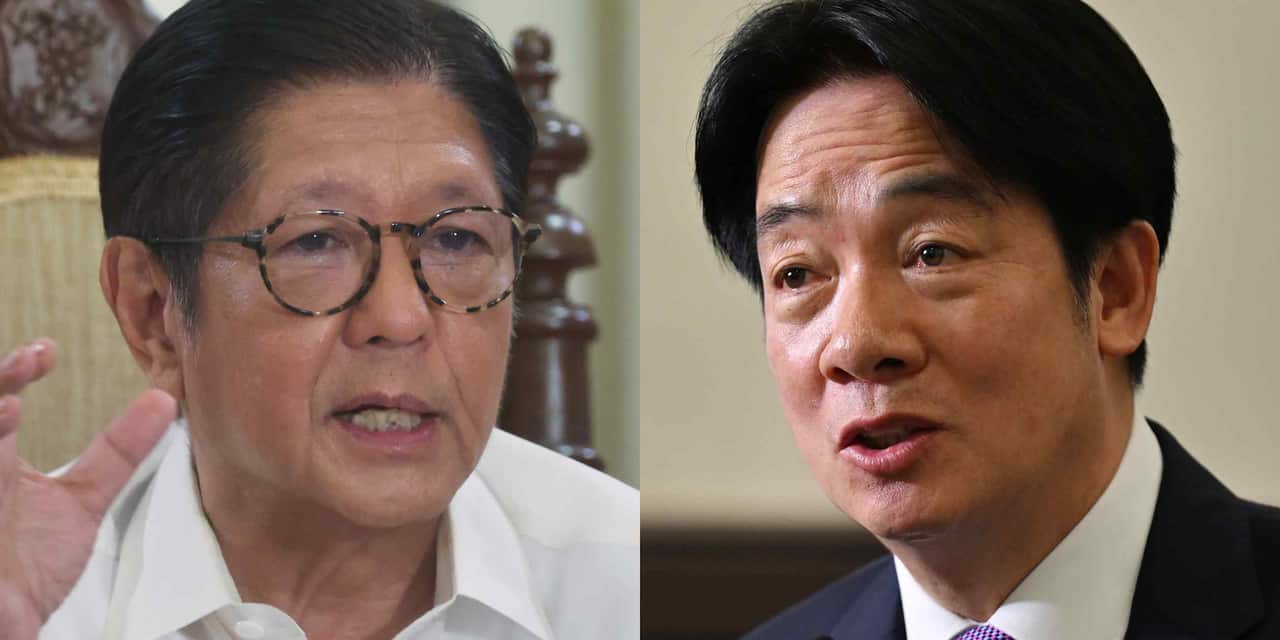
The planned mission in Cebu signifies a deepening of ties between Manila and Taipei, which have increased collaboration in recent months despite the lack of official diplomatic recognition. This discreet but increasingly visible cooperation, involving Philippine President Ferdinand Marcos Jr. and Taiwanese President Lai Ching-te, has the potential to alter the power dynamics in the Western Pacific.
Taiwan's Minister of Foreign Affairs Lin Chia-lung recently made a notable visit to the Philippines, aiming to advance the Taiwan-Philippines Economic Corridor and integrate it with initiatives like the Luzon Economic Corridor, which involves the US and Japan. Investments in areas such as clean energy, semiconductors, and agribusiness are being prioritized. This visit, accompanied by Taiwanese and American entrepreneurs, underscores Taiwan's efforts to expand its diplomatic space and strategic partnerships, particularly in response to China's regional influence.
Historically, the Philippines has adhered to the One-China policy, avoiding security cooperation with Taiwan to prevent provoking Beijing. However, increasing incursions by Chinese vessels in the Philippine Sea and around key ports have prompted Manila to link its economic stability and maritime security more openly to the situation around Taiwan. The Philippine Coast Guard and Taiwanese intelligence have reportedly conducted joint patrols in the Bashi Channel, a critical trade route and conduit for undersea communication cables.
In May, Philippine Navy spokesman Rear Admiral Roy Vincent Trinidad indicated potential military-to-military engagement between the two navies, including proposals for regularized transits through the Taiwan Strait and joint military activities. Taiwan also sent observers to US-Philippines-Japan military exercises. These developments occur against a backdrop of rising tensions between Beijing and Manila in the South China Sea, and between Tokyo and Beijing over territorial disputes.