Key facts
- Genta Koja, backed by Prime Minister Sanae Takaichi, won Okinawa's gubernatorial election.
- Koja's victory could facilitate the expansion of military facilities in Okinawa.
- Okinawa is the Japanese territory closest to Taiwan and mainland China.
- Japan is accelerating its defense strategy known as the 'Southwest Shift'.
- The Ground Self-Defense Force's 15th Brigade in Okinawa is set to be reorganized into a division by March 2027.
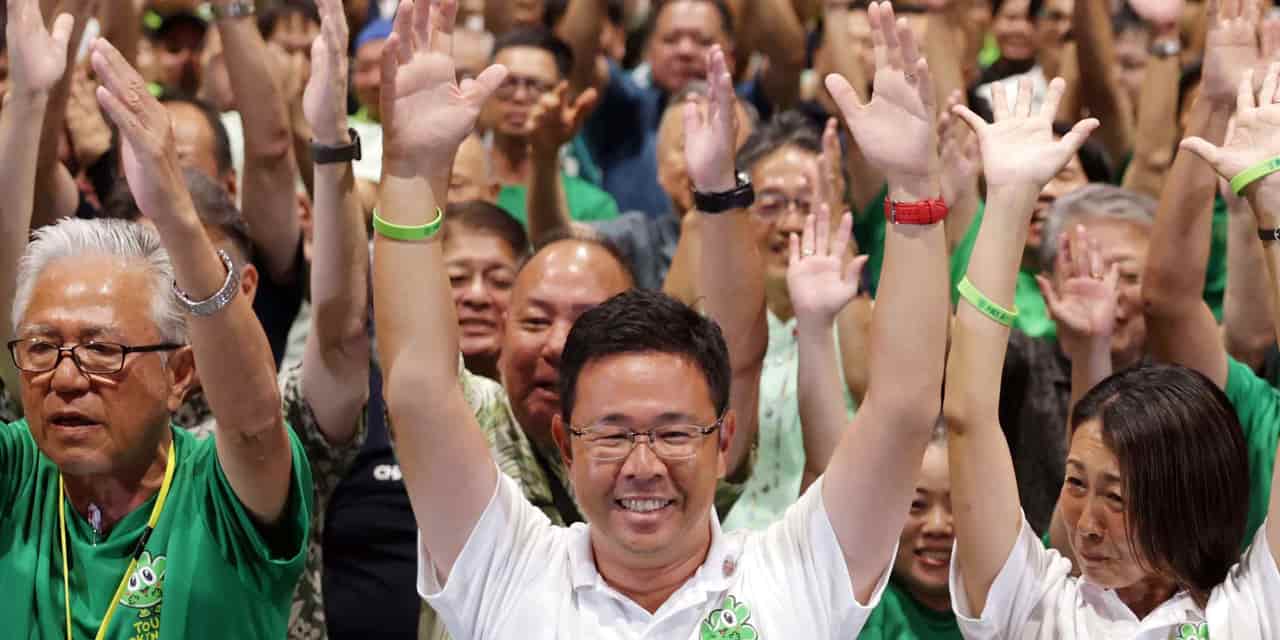
Genta Koja's victory in Okinawa's gubernatorial election on September 13, 2026, marks a significant political shift that could pave the way for a substantial military buildup in Japan's southernmost prefecture. Koja, the first conservative governor in 12 years, secured 59% of the vote, unseating two-term incumbent Denny Tamaki. His win, supported by Prime Minister Sanae Takaichi's administration, may ease long-standing opposition to the expansion of U.S. and Japanese military facilities in the region.
Okinawa's strategic location at the heart of the First Island Chain, closest to Taiwan and mainland China, makes it a critical component of East Asian security. Japan's Self-Defense Forces are accelerating a defense strategy known as the 'Southwest Shift,' which includes reorganizing the Ground Self-Defense Force's 15th Brigade in Okinawa into a division by March 2027, increasing its personnel from 2,300 to 3,900. The Japanese government has also deployed SDF units to islands west of Okinawa Island, bolstering capabilities to counter China's growing military activity.
While Okinawans have historically borne a heavy military burden, public perception has been shifting due to increased Chinese military activity in the East China Sea. However, this shift does not alleviate anxieties, as local residents worry that increased military presence could make Okinawa a frontline in a potential conflict.