Key facts
- Taiwan's ruling DPP is reconsidering its opposition to nuclear power.
- The shift is driven by surging electricity demand from artificial intelligence development.
- President Lai Ching-te has initiated a process that could lead to restarting nuclear reactors.
- The DPP's long-held "nuclear-free homeland" policy is being re-evaluated.
- Taiwan officially became a "non-nuclear homeland" on May 17, 2025, after its last active reactor was shut down.
- Factors influencing the policy change include AI demand, EU carbon regulations, and geopolitical risks.
Taiwan's ruling Democratic Progressive Party (DPP) is facing internal and external pressure to reconsider its long-held opposition to nuclear power, a core tenet since the party's inception in 1986. This potential policy pivot is largely driven by the escalating electricity demand associated with the burgeoning artificial intelligence industry.
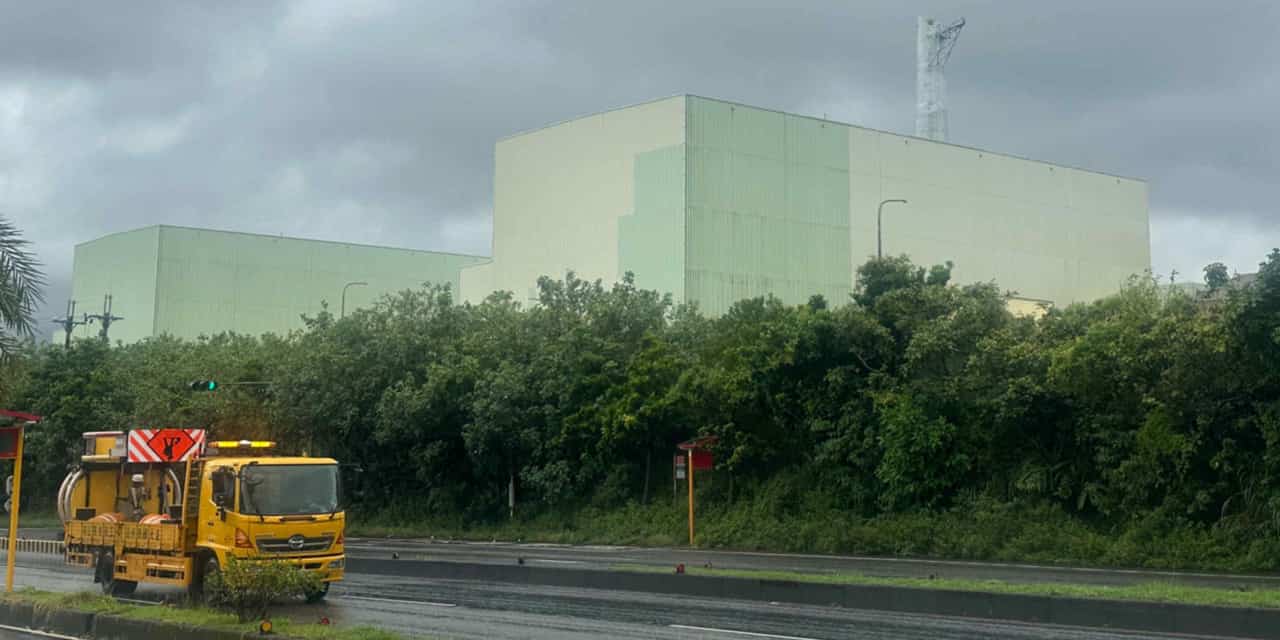
President Lai Ching-te, who assumed office in May 2024, has signaled a departure from the party's "nuclear-free homeland" principle. His administration has begun exploring the feasibility of restarting existing nuclear reactors, including the Maanshan plant and the No. 2 Nuclear Power Plant in Wanli District, and is investigating advanced small modular reactor (SMR) technologies. This marks a significant shift from the policies enacted under previous DPP administrations.
Under President Chen Shui-bian (2000-2008), the DPP halted the construction of the Fourth Nuclear Power Plant and enshrined the "nuclear-free homeland" principle in the Basic Environment Act of 2002. This commitment was further solidified under President Tsai Ing-wen (2016-2024), who enacted legislation in 2017 to phase out Taiwan's nuclear power plants. The last active reactor was shut down on May 17, 2025, fulfilling the party's long-standing goal.
However, the pursuit of a "nuclear-free homeland" has become increasingly challenging amid Taiwan's heavy reliance on imported energy, which accounted for 95.8% of its total supply in 2024. President Lai has cited rising electricity demand from AI development, the European Union's Carbon Border Adjustment Mechanism, and growing geopolitical risks as key factors necessitating a re-evaluation of the energy strategy. He also affirmed continued support for renewable energy deployment.
While environmental groups have criticized the potential reversal, scholars like Chang Chun-hao of Tunghai University view it as a pragmatic response to Taiwan's structural energy challenges. Conversely, Chao Chia-wei of the Taiwan Climate Action Network argues that renewable energy expansion, coupled with increased natural gas storage, offers a more resilient solution than nuclear power.