Kosovo parliament elects new president, averting snap election
IN SHORT
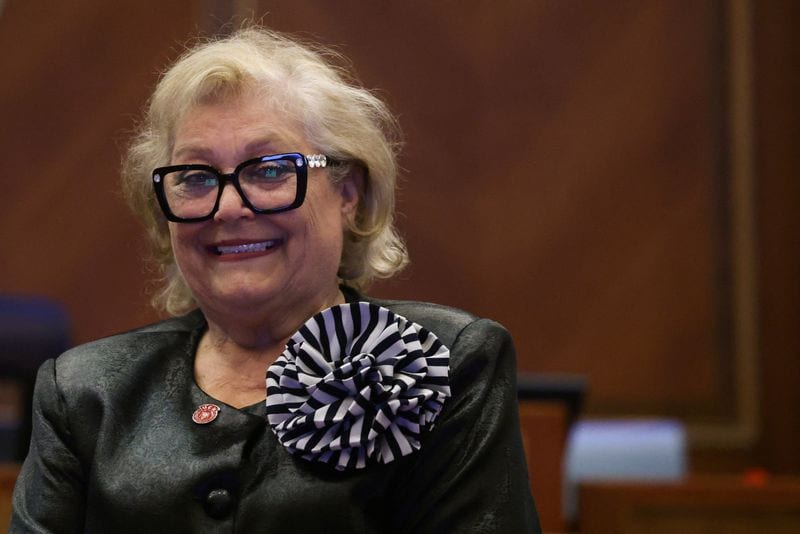
Kosovo's parliament elected economist Justina Shiroka Pula as the country's new president on Wednesday, securing 81 votes just before a constitutional deadline. Her election avoids snap parliamentary elections and follows a deal between the ruling and opposition parties to limit the powers of a Kosovo war crimes court.
Key Numbers
81votes for Justina Shiroka Pula
120seats in Kosovo's parliament
81years in prison for war crimes convictions
2008-2011Shiroka Pula's term as minister of the economy
1998-1999period of Kosovo's break from Serbia
Who's Involved
Justina Shiroka Pula
elected president of Kosovo with 81 votes
Albin Kurti
Prime Minister of the ruling Vetevendosje party
Hashim Thaci
former President sentenced to prison for war crimes
↳ Why This Matters
The election of a new president averts political instability and potential snap elections in Kosovo, a country facing economic challenges and ongoing efforts to reform its justice system.