Key facts
- Italy's parliament approved a new electoral law on Thursday.
- The reform introduces a proportional system with bonus seats for coalitions winning over 42% of the vote.
- Prime Minister Giorgia Meloni stated the reform aims for stable government.
- Opposition leaders Elly Schlein and Giuseppe Conte are divided over coalition leadership and primaries.
- The bill passed the lower house with 227 votes in favor and 164 against.
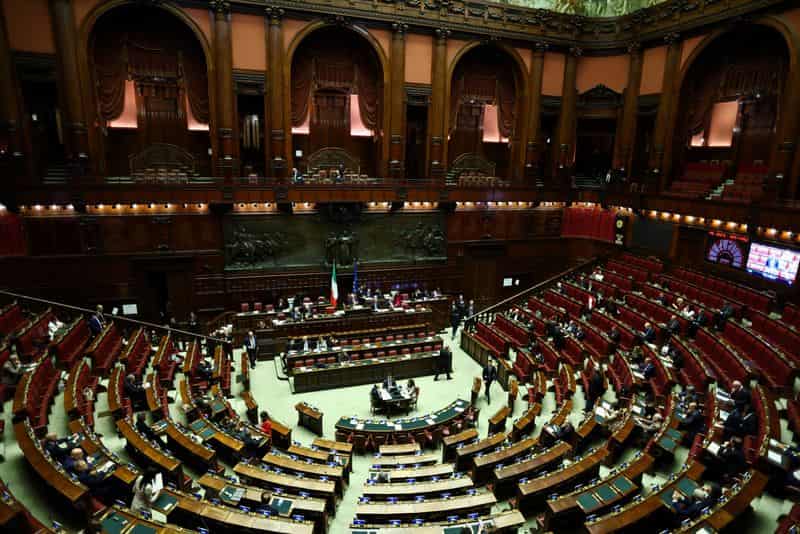
Italy's parliament has approved a new electoral law, a reform championed by Prime Minister Giorgia Meloni's coalition, which passed the lower house on Thursday by 227 votes to 164.
The new system shifts to a proportional representation model that includes bonus seats for coalitions securing more than 42% of the vote, capped to prevent excessive majorities. Meloni stated the reform is intended to increase the prospect of stable government.
However, opposition politicians argue the reform is designed to benefit the ruling coalition. The law's requirement for coalitions to nominate their prime ministerial candidate before an election has exposed divisions between the leaders of the two main opposition groups, Elly Schlein of the Democratic Party (PD) and Giuseppe Conte of the 5-Star Movement. Both are pushing for primaries to choose the coalition's leader, a move that analysts suggest could exacerbate internal divisions.
If no coalition reaches the 42% threshold, or if results for the lower house and Senate differ, a purely proportional system will be applied. Coalitions must secure at least 10% of the vote to enter parliament, while individual parties need at least 3%. Opposition parties have indicated they may appeal the reform to the Constitutional Court, deeming the bonus seat system unconstitutional.